
Looking
forward
Looking
back
Embracing change while

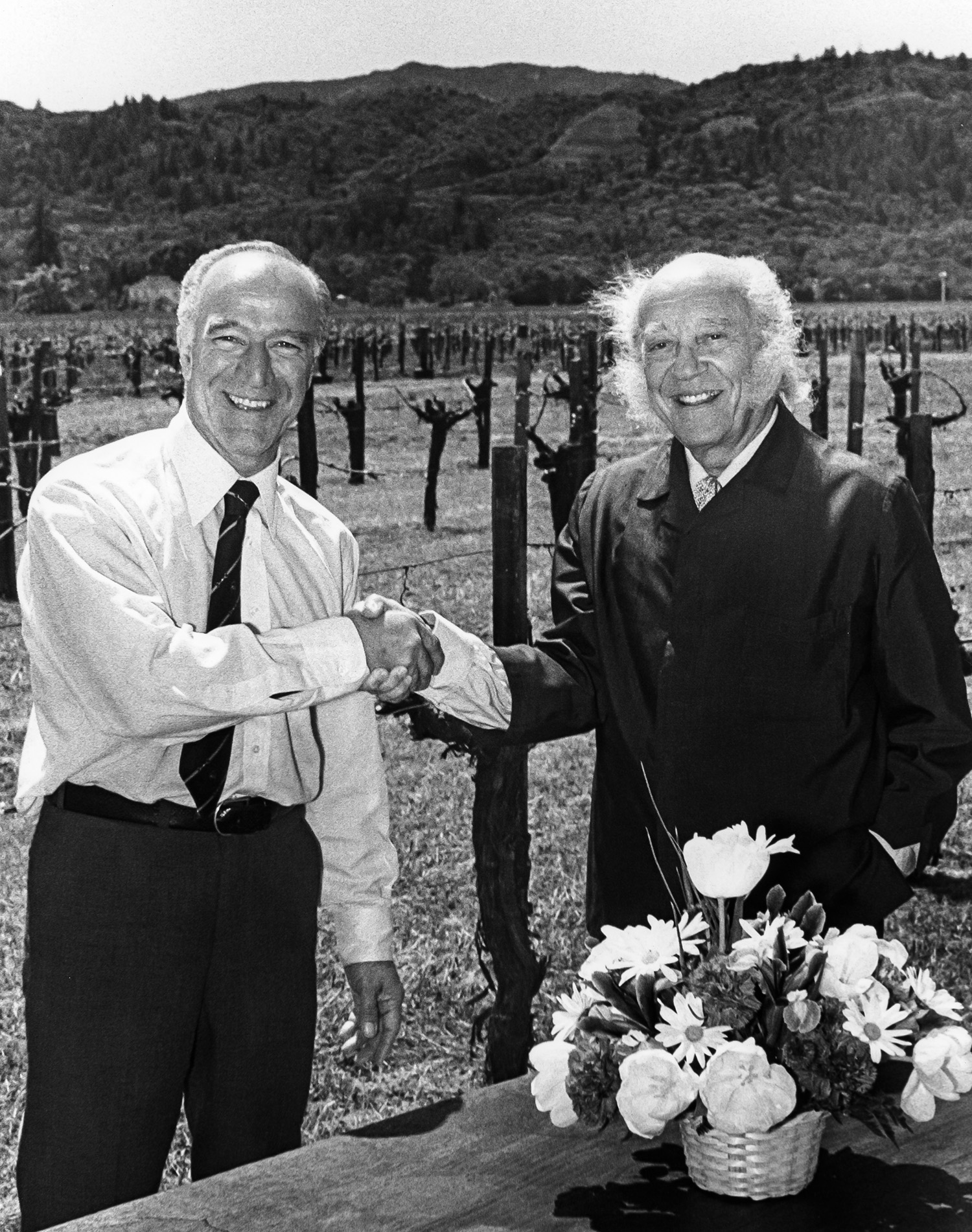
Opus One is the realized dream of two men: Baron Philippe de Rothschild of Château Mouton Rothschild in Bordeaux and Napa Valley vintner Robert Mondavi.
Their collaborative vision brought together the best of Old World tradition and New World innovation, resulting in wines that reflect a unique blend of elegance and structure. Opus One’s rich history serves as a reminder of the importance of honoring the past, underscoring the necessity of looking forward, and embracing innovation.
Remaining mindful of the present allows us to make informed decisions that are grounded in both our heritage and aspirations for the future.
In essence, Opus One Winery has long been synonymous with tradition, luxury, and world-class winemaking— but to thrive in an ever-evolving industry, we must find ways to embrace change without losing our identity.
Stewardship

A note from winemaker Michael Silacci
What started as a whisper grew into a passionate, emotional, and intellectual storm. We were having a discussion over a decade ago amongst the senior management team. One of us posed the question:
“What are we going to tell our grandchildren when they ask what we did to protect the planet?”
We refueled our minds, settled into our seats, took the wheel at 9 and 3, and launched. Our focus began with water. Through judicious and thoughtful irrigation, we coaxed our grapevines to develop deep root systems, promoting self-sufficiency and allowing for a deeper expression of place. Our quest continued. We embraced biodynamic farming in To Kalon South, which represented 35 percent of our estate vineyards. The parameters of biodynamic farming led to our gaining confidence in organic mildewcides to protect the other 65 percent of our vines from powdery mildew.
The use of cover crops also had an impact on water. During evapotranspiration, the cover crop helps to cool the microclimate, and the moisture going into the air is clean. Dust from cultivated soils can absorb water particles, and the air becomes dingy and polluted. In addition, the surface temperatures of cultivated soil can be up to 50 degrees higher than soils with cover crops on a very hot day.
With each new initiative, our sense of purpose grew and became more acute. Community projects like the Napa River and Doak Creek restoration projects increased our horizon. Bees led to gardens. Gardens led to an orchard. They all contributed to greater biodiversity at Opus One. We have our own farm to table flow, as well.
The redevelopment of X1-West in the River Parcel incorporated wider spacing among vines, a row orientation to protect grape berries from direct sun at the hottest time of the day, and higher head heights to protect vineyard workers. Deep-rooted vines were chosen for their ability to find water at lower soil horizons during droughts, and cover crops were selected to absorb atmospheric rivers.
What does sustainability mean to me?
Seizing the opportunity to leave land, grapevines, and people in better conditions than we found them. To pass along a sense of community for our children and grandchildren to rinse and repeat.
Certifications
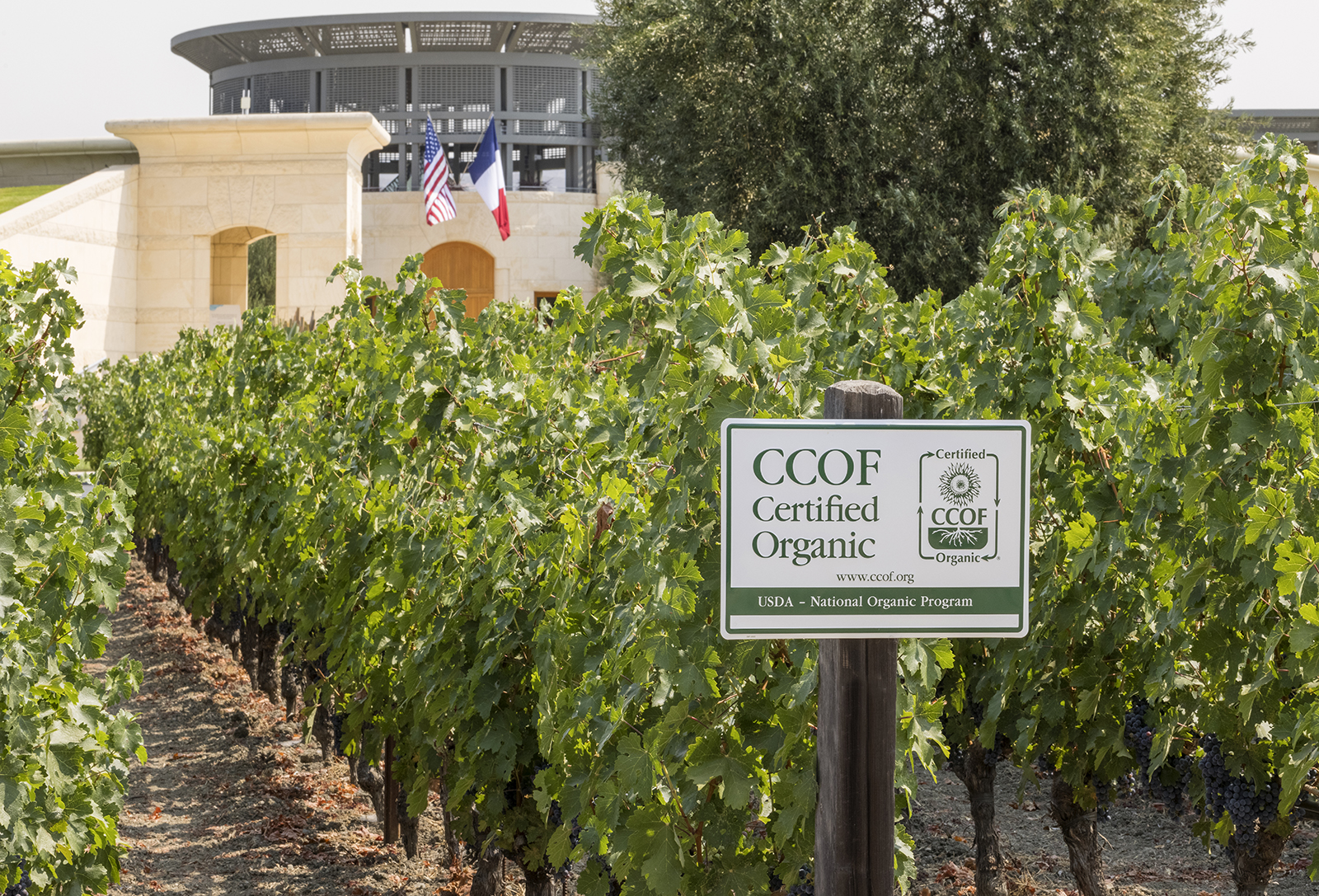
Our sense of purpose has grown and become more acute.
California Certified Organic Farming (CCOF)
CCOF is a widely recognized nonprofit organization that advances organic agriculture for a healthy world through organic certification, education, advocacy, and promotion. Opus One has been a CCOF vineyard since 2021. This commitment to organic farming supports our pillars of Absolute Quality and Global Responsibility by decreasing the number of chemical inputs utilized in the vineyard and promoting a healthy functioning agroecosystem.
International Wineries for Climate Action (IWCA)
Opus One has been a member of IWCA since 2022. IWCA is a collaborative working group of environmentally committed wineries taking a science-based approach to reducing carbon emissions across the wine industry. Our IWCA certification allows us to track our onsite emissions as well as all emissions stemming from the production and distribution of our wine. With this knowledge, we are able to create a baseline inventory, set specific emissions goals and targets, and track progress toward our commitment to become net-zero by 2050.
NAPA GREEN WINERY AND VINEYARD
Opus One has been certified as a Napa Green Winery since 2018 and a Napa Green Vineyard since 2021. The Napa Green organization promotes a whole-systems approach to climate action from soil to bottle under the following pillars:
Water efficiency and savings
Energy efficiency and savings
Waste prevention and supply chain
Soil health and biodiversity
Social justice and DEI
Climate action and regenerative agriculture
The Napa Green certification allows us to access a diverse network of like-minded community members and supports us in our mission to become more globally responsible.
Positive Luxury
In Spring 2025, Opus One was awarded the Butterfly Mark by Positive Luxury — an independent trust mark recognizing luxury brands that demonstrate measurable, ongoing commitment to people and the planet. The award is based on a unique ESG+ assessment, which looks at environmental, social, governance, and innovation factors specifically tailored to the luxury industry.
Fish Friendly Farming
Fish Friendly Farming is a sustainable certification program for agricultural properties managed to restore fish and wildlife habitat and improve water quality. This certification allows us to protect biodiversity, wildlife, and support community health and wellbeing.
Agroecology
In 2023, Opus One began exploring and implementing regenerative farming practices throughout our vineyards. These practices included grazing, tillage, cover crop, and irrigation trials. In 2024, approximately 70 acres were under regenerative management. These practices were implemented and expanded with the goal of rebuilding soil health and structure, increasing water infiltration and retention, increasing atmospheric carbon sequestration, and creating habitats that promote biodiversity. Preceding the implementation and expansion of these trials, soil samples were analyzed to benchmark our starting point and track progress. Other agroecological efforts include establishing gardens and an orchard, building on-site apiaries, installing bird boxes and perches, restoring the riparian corridor, and expanding along the Napa River.
Garden
Our on-site garden and orchard promote biodiversity by providing food and a habitat for pollinators, beneficial insects, and native birds. Additionally, the garden allows us to provide food for our kitchen, decreasing outsourcing of food products and, as a result, reducing trucking emissions. Our gardens are managed organically and utilize regenerative practices such as cover crop, low-till, seasonal crop rotations, and interplanting.
Apiary
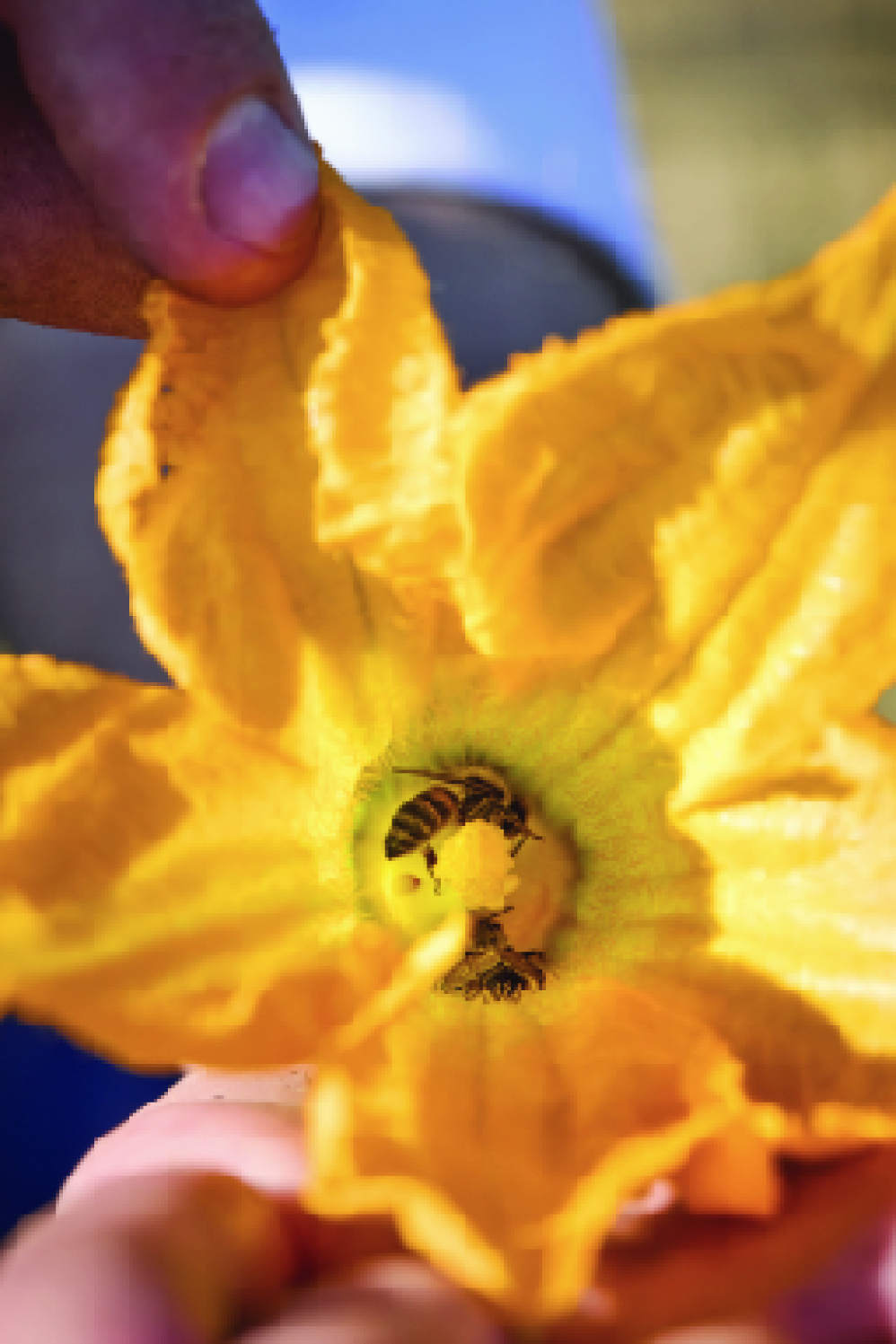
We have two apiaries (beehives) on site along the Napa River. Our hives have been established by capturing native swarms using bee traps along the river. Bees are kept regeneratively. While grape vines self-pollinate, pollinators are a foundational piece of a working agroecosystem, and their presence supports our initiatives to increase biodiversity in the vineyards and the greater landscape of the Napa Valley.
Bird Boxes
To increase natural predator presence, we have installed bird boxes (owl, bluebird, wood duck, kestrel) and perches (raptor) throughout the property. These predators help to maintain the ecological balance of our vineyard agroecosystem, minimizing the need for synthetic biocontrol such as pesticides and carbon monoxide.
Water
Since 2018, Opus One has been monitoring water meters to track our water use efficiency over time and has implemented many policies to improve water use and efficiency. A common focus area is tank and barrel cleaning. We have installed low-flow, touchless faucets, and fixtures with auto shut-offs to prevent wasted water. We have installed a water catchment system to direct rainwater to the reservoir, along with an in-ground collection system to reduce reliance on groundwater.
Currently, our vineyards are irrigated with processed wastewater from our cellar and stormwater collected throughout the property. Vineyard irrigation decisions are employed mindfully based on a combination of visual symptoms, soil moisture, and vine water stress measurements. Our irrigation strategy is to provide larger, more impactful irrigations less frequently to promote vine resiliency and the development of deep roots.
Berm Project
To conserve water resources, we are replacing our lawn berms with native, drought-resistant pollinator plants. This project will reduce landscaping water use long term and promote biodiversity.
Carbon Capture Project
The Opus One carbon capture project, in partnership with Earthly Labs, is a process in which we capture carbon dioxide produced by fermentation. This carbon dioxide is then converted into dry ice on-site to be reused throughout harvest. Dry ice has long been used in the winemaking process as a measure to promote wine quality and protect the headspace throughout fermentation. The carbon capture project decreases the need for outsourcing of dry ice, which decreases associated trucking emissions. This partnership supports our 2030 vision of innovation and leadership through the development of climate-positive technology.
MCE Deep Green
As of February 2021, Opus One is sourcing 100% California renewable electricity, Deep Green, in Oakville from MCE, our local renewable energy provider in Napa. Through this action, our Oakville Scope 2 greenhouse gas emissions (GHGs)—emissions from electricity use in buildings—are reduced to zero. This reduction in GHGs is equivalent to 31 homes’ electricity use over an entire year. Our action also increases the amount of renewable electricity MCE provides to the grid, while 50% of the incremental cost is invested in MCE’s Local Renewable Projects fund, supporting local renewable energy, energy efficiency, and transportation electrification programs.
Packaging
Opus One prioritizes initiatives that increase the sustainability of our packaging products. Opus One currently utilizes 80% recycled glass in the production of glass bottles. Our capsules are produced from 60% recycled tin and will be 100% recycled tin beginning in 2025. Our corks are 100% natural, meaning that they are fully compostable, our tissue is 100% curbside recyclable, and our wood boxes can be either recycled or composted at all local facilities.
Broader focus on sustainability impact
- Ecology – globally responsible
- Climate Resiliency — protecting our vineyards and absolute wine quality for years to come
- Evolve with consumer preferences (millennial and Gen Z supporting socially and environmentally responsible brands)
- Employee and community health and wellbeing
- Resource conservation (water, energy, biodiversity)


Bees led to gardens. Gardens led to an orchard.
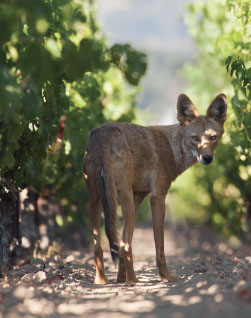
Our garden and orchard provide food and habitat.
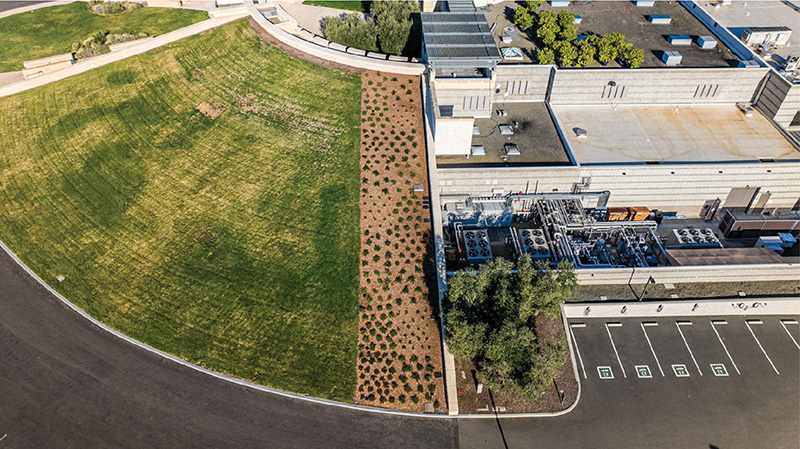

Native, drought-resistant pollinator plants are replacing our lawn berms.
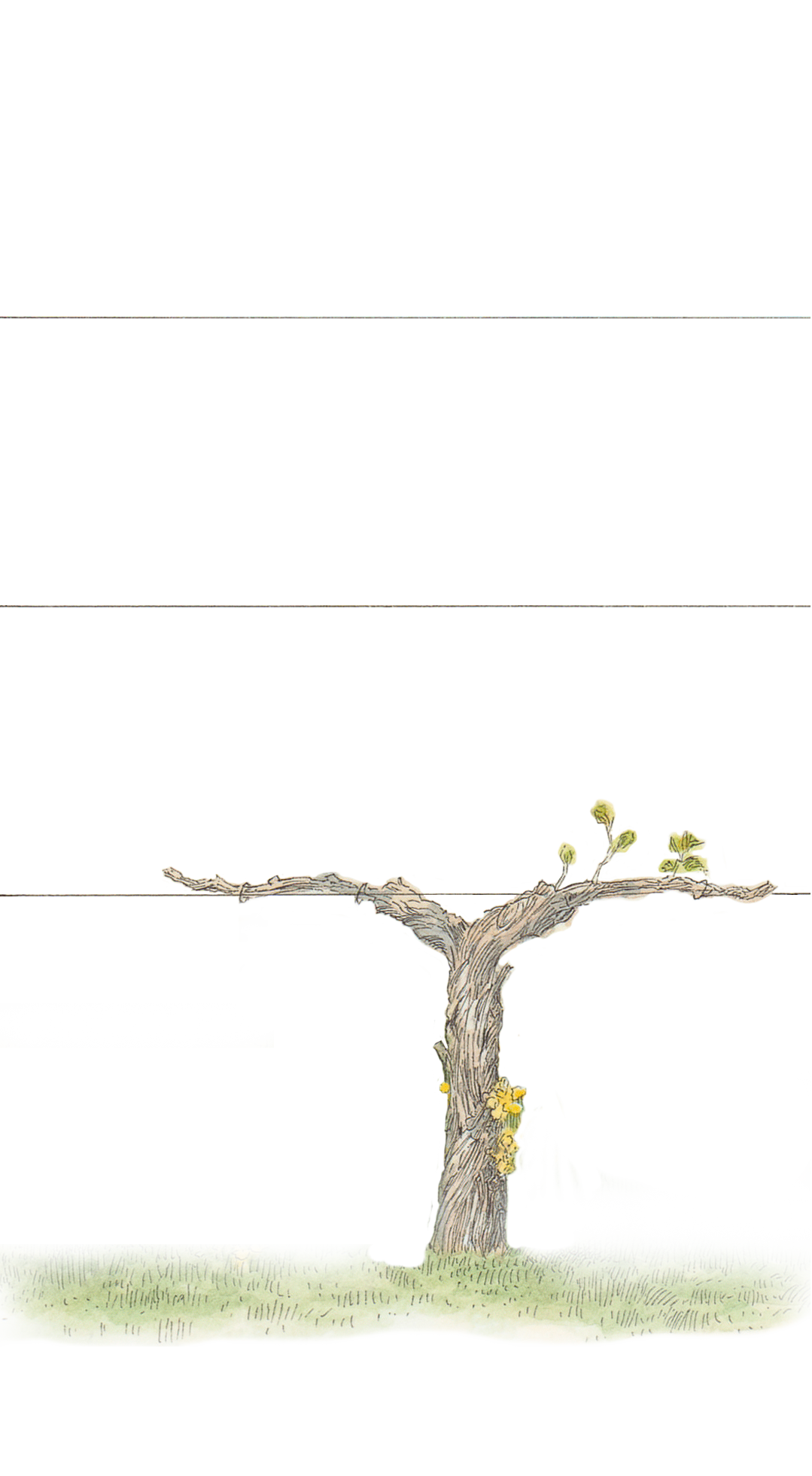



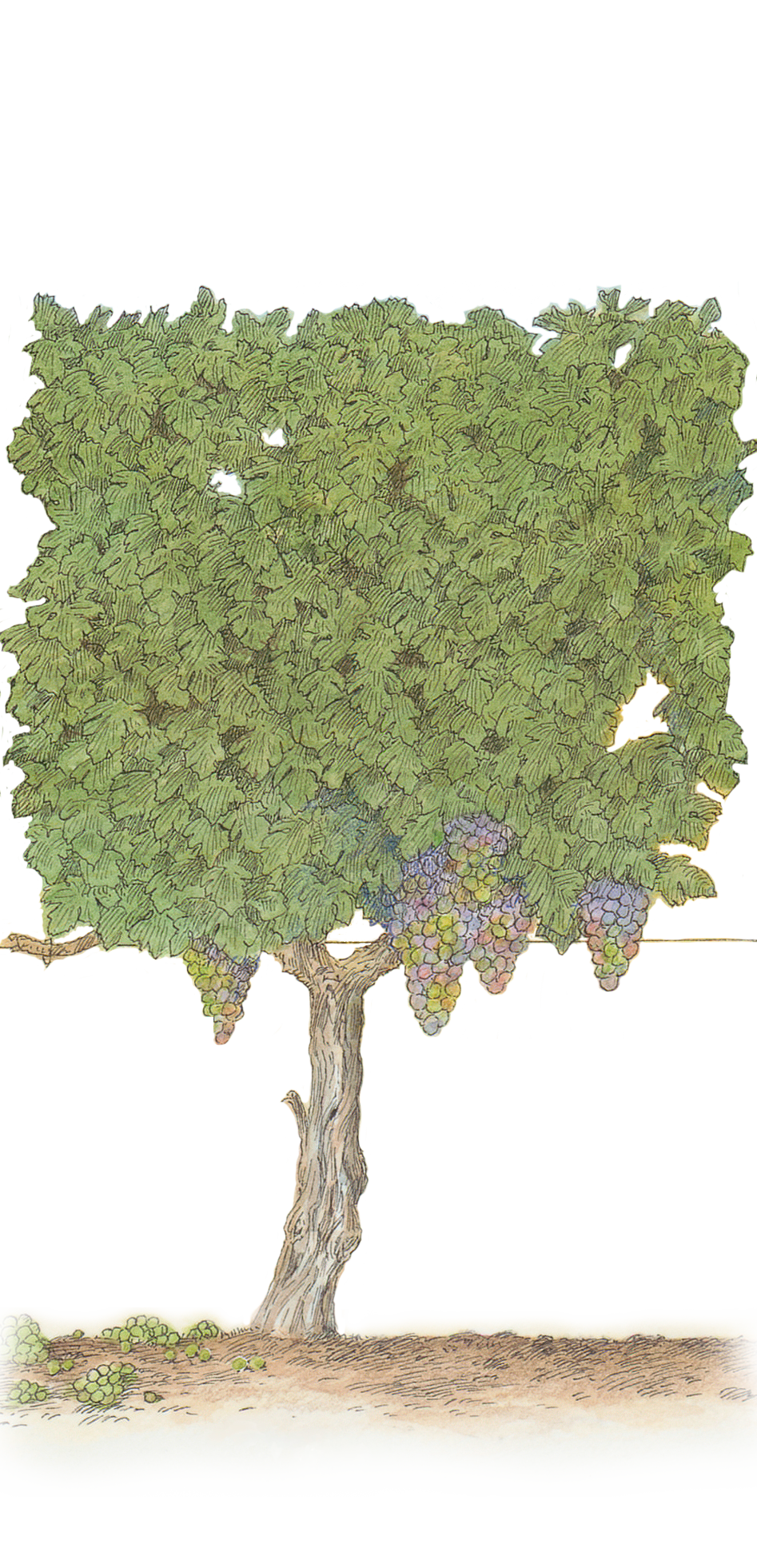
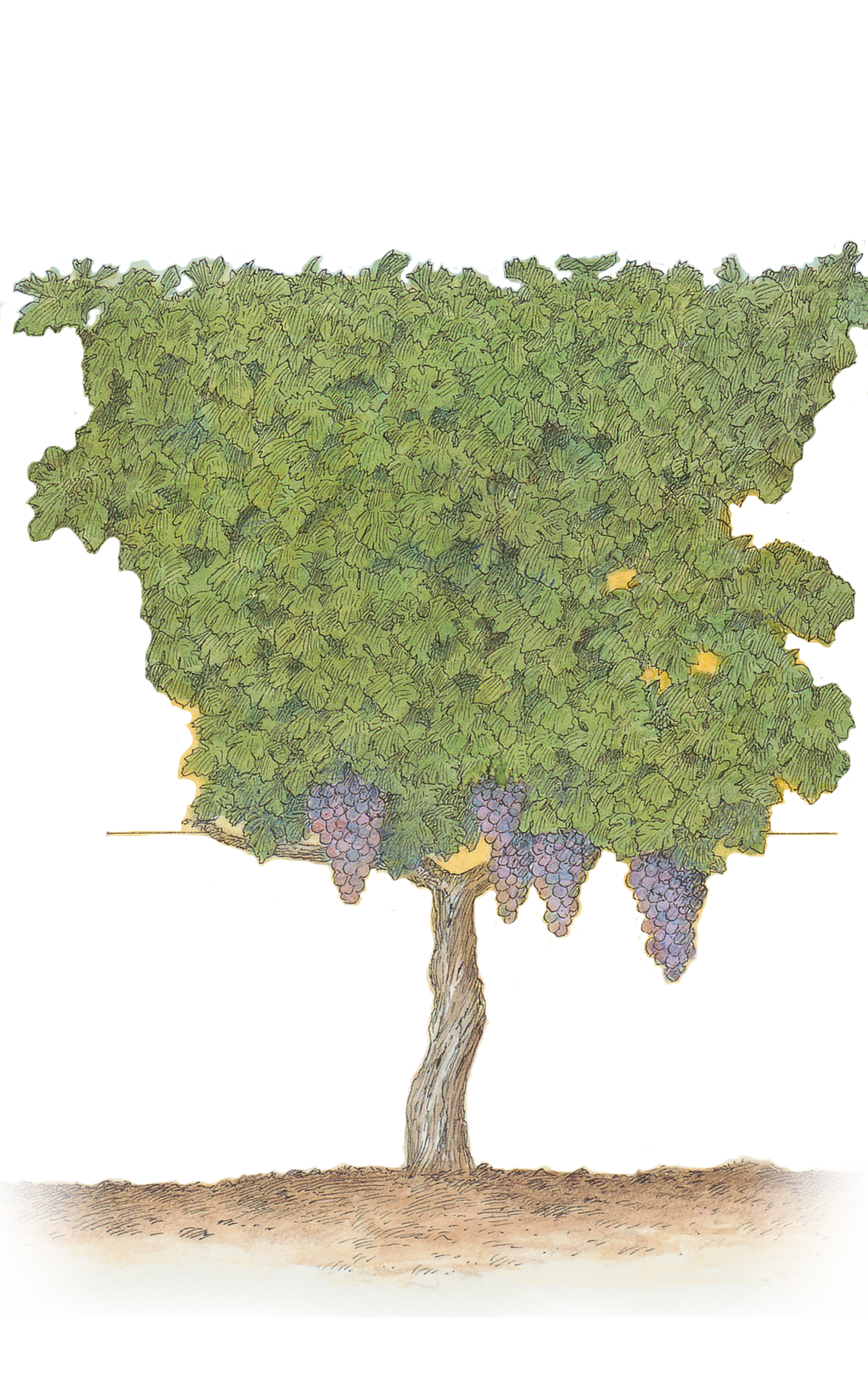
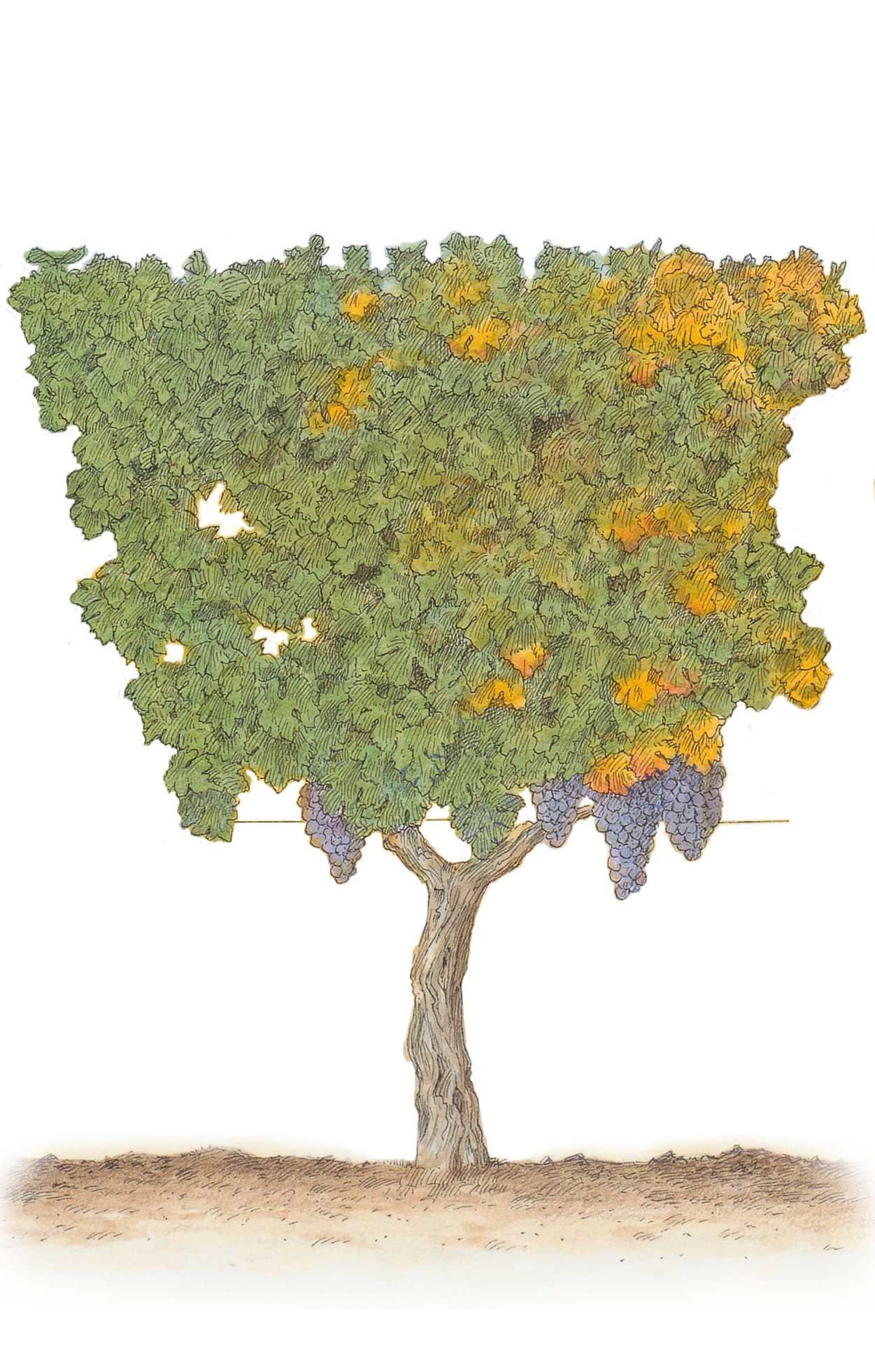
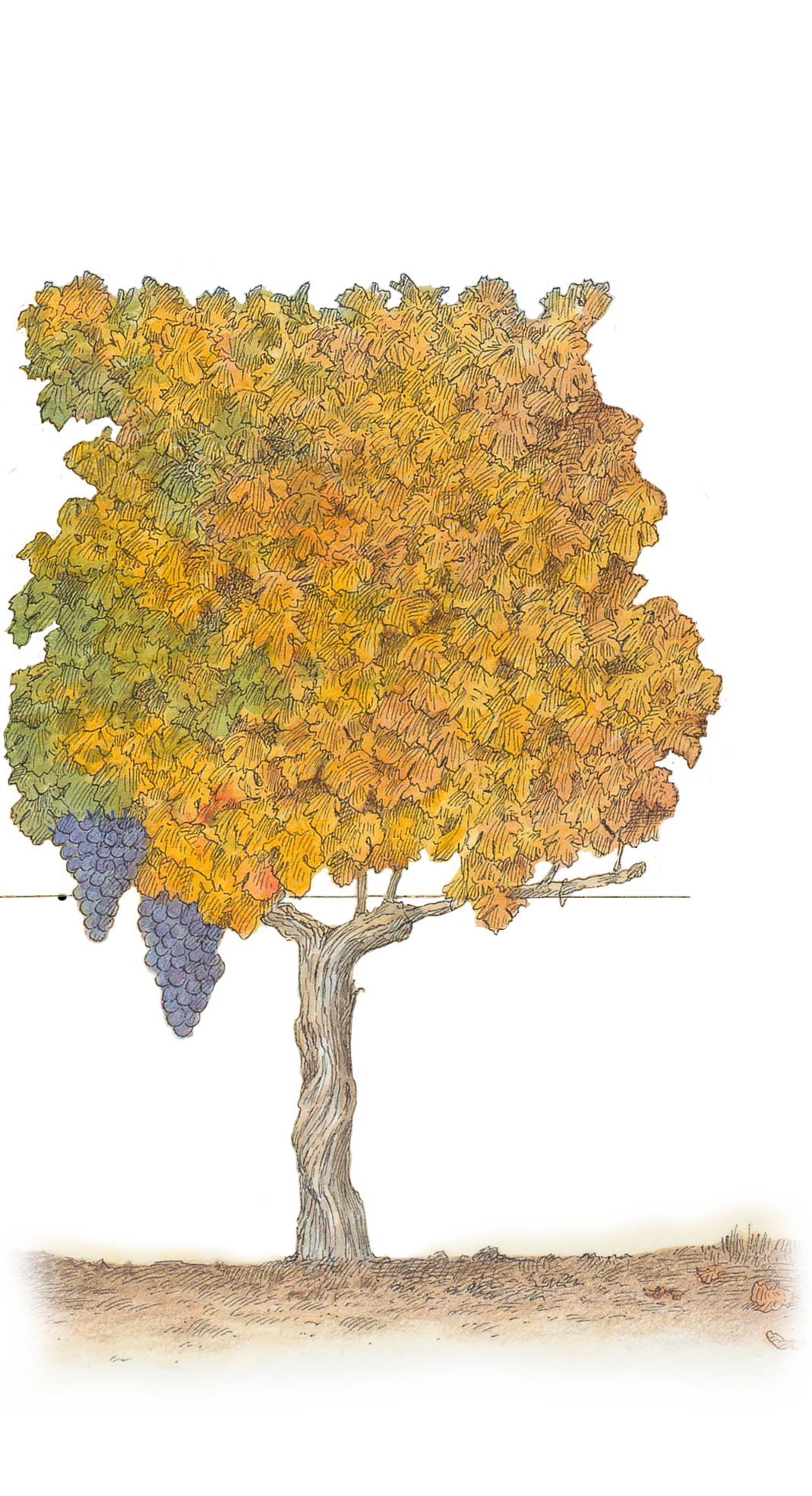
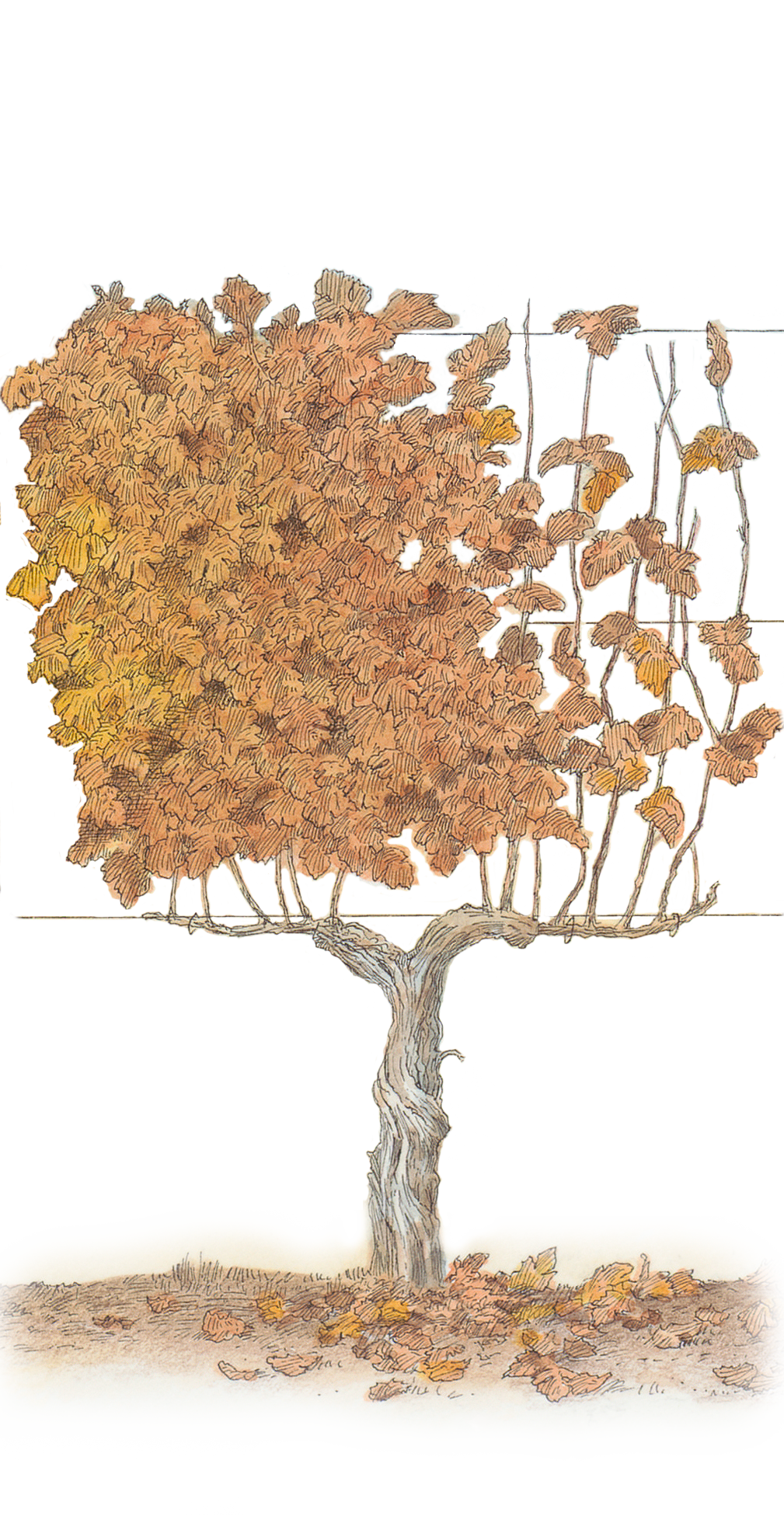
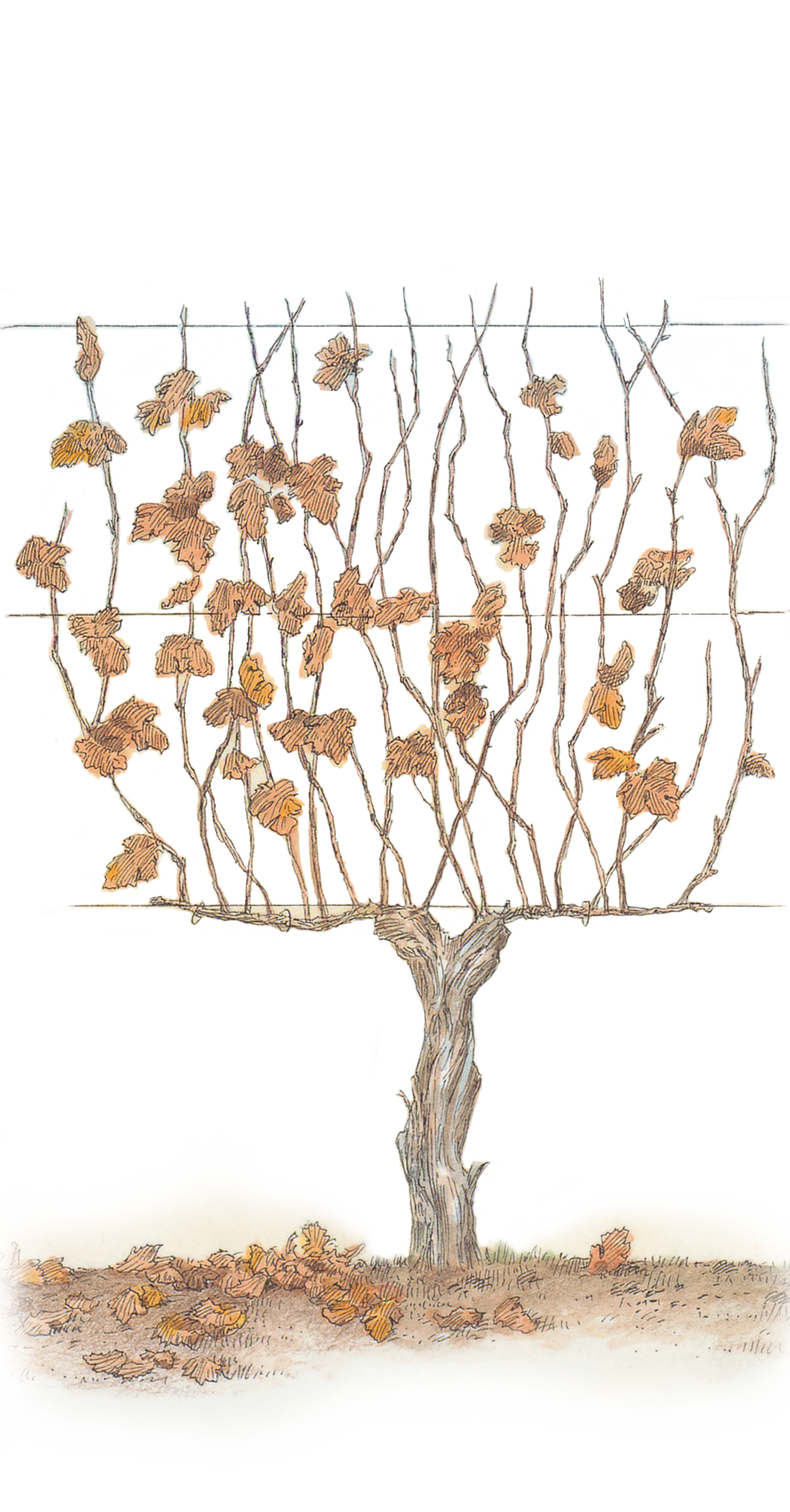
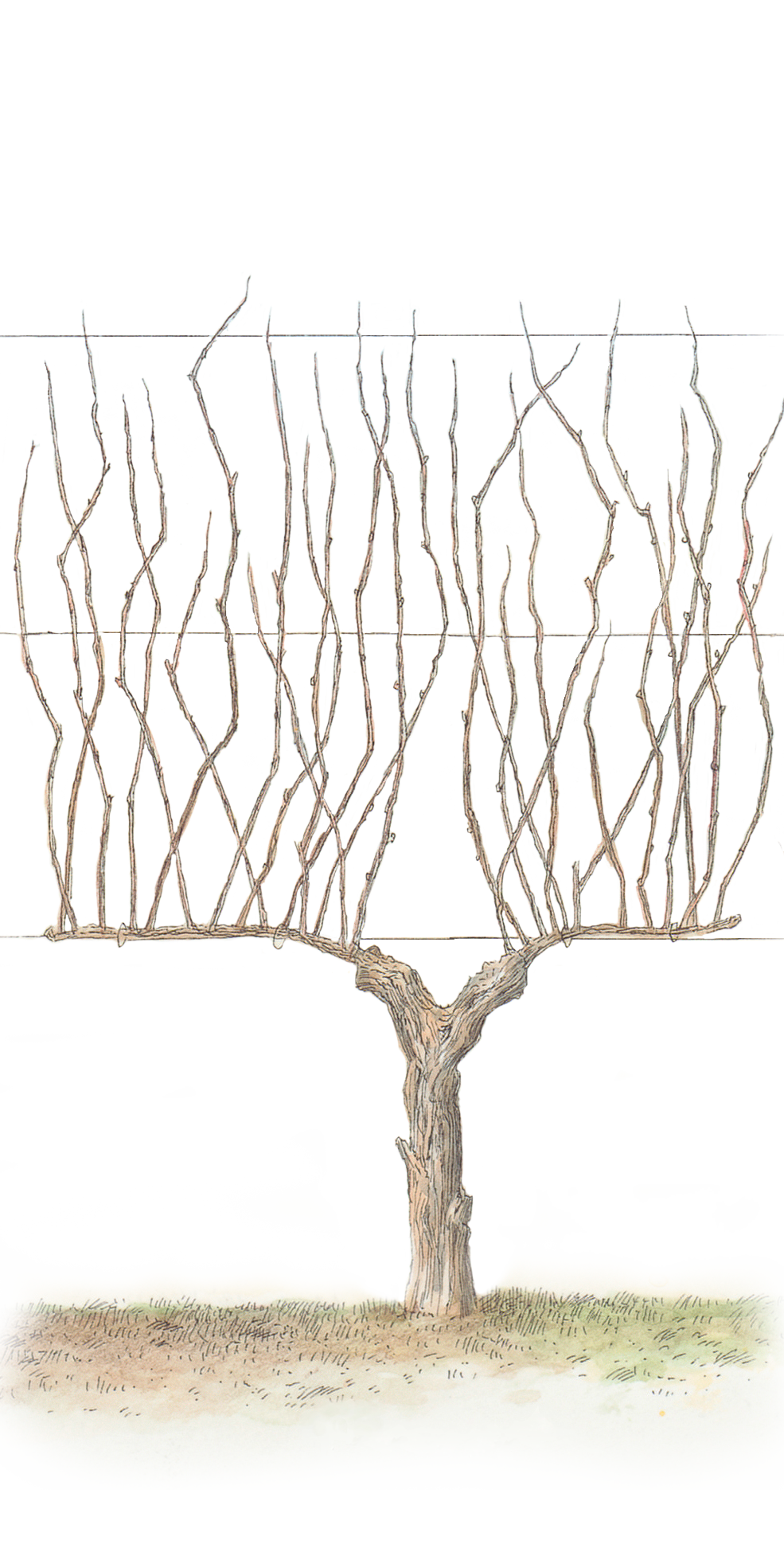
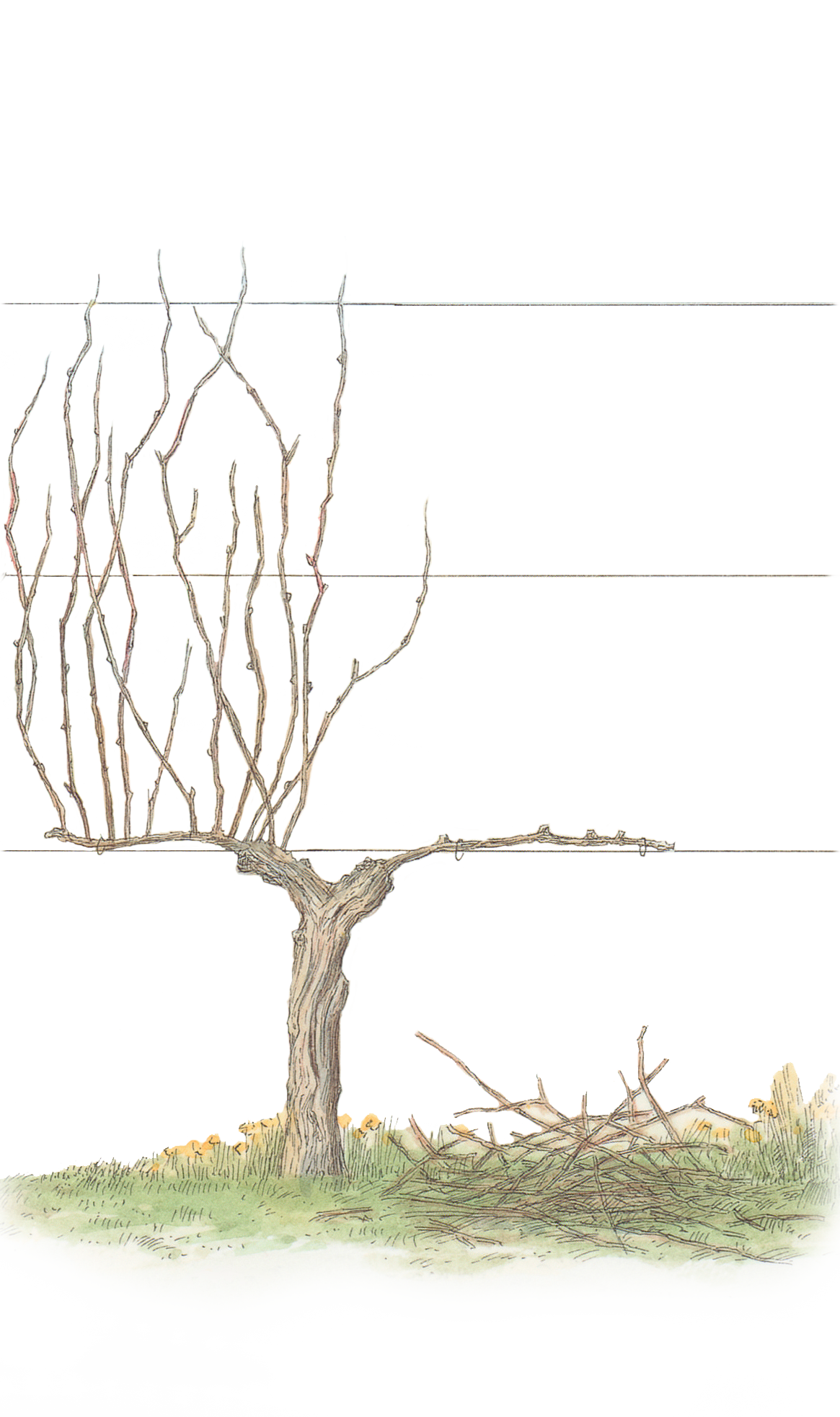

Life of the Vine
Architecture
The Napa Valley had never
seen anything quite like
Opus One Winery when it
first opened.
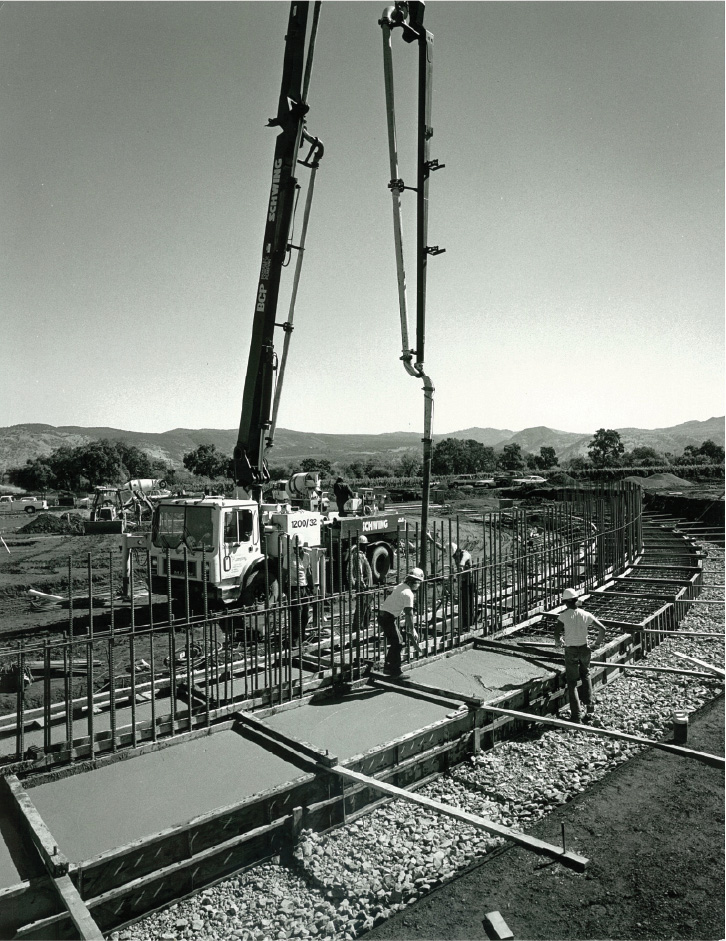
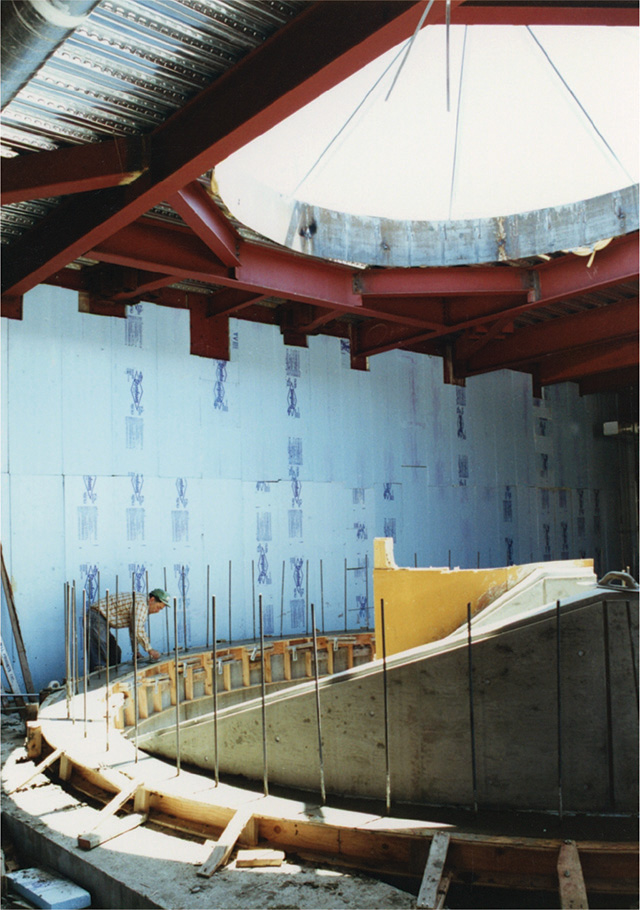
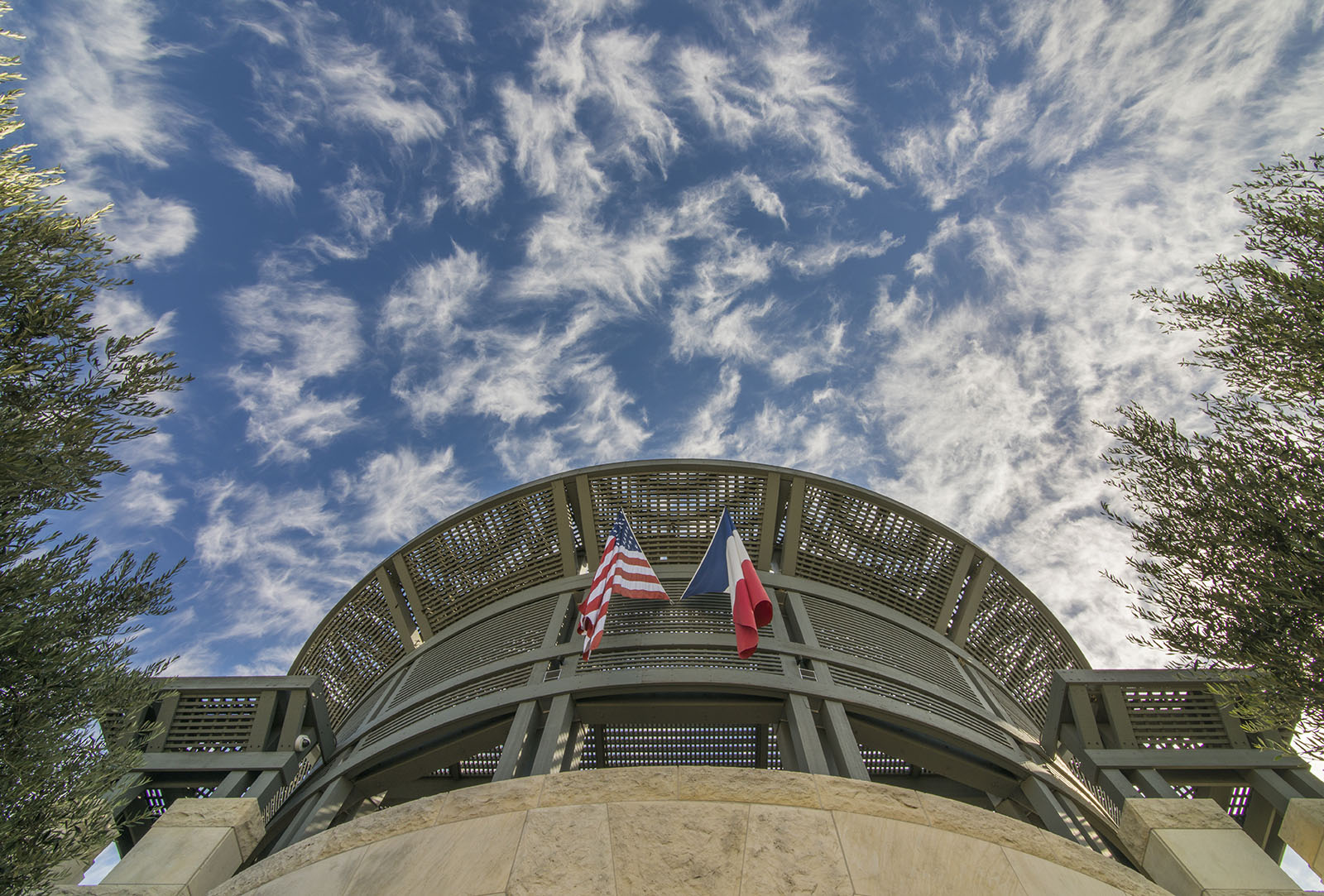
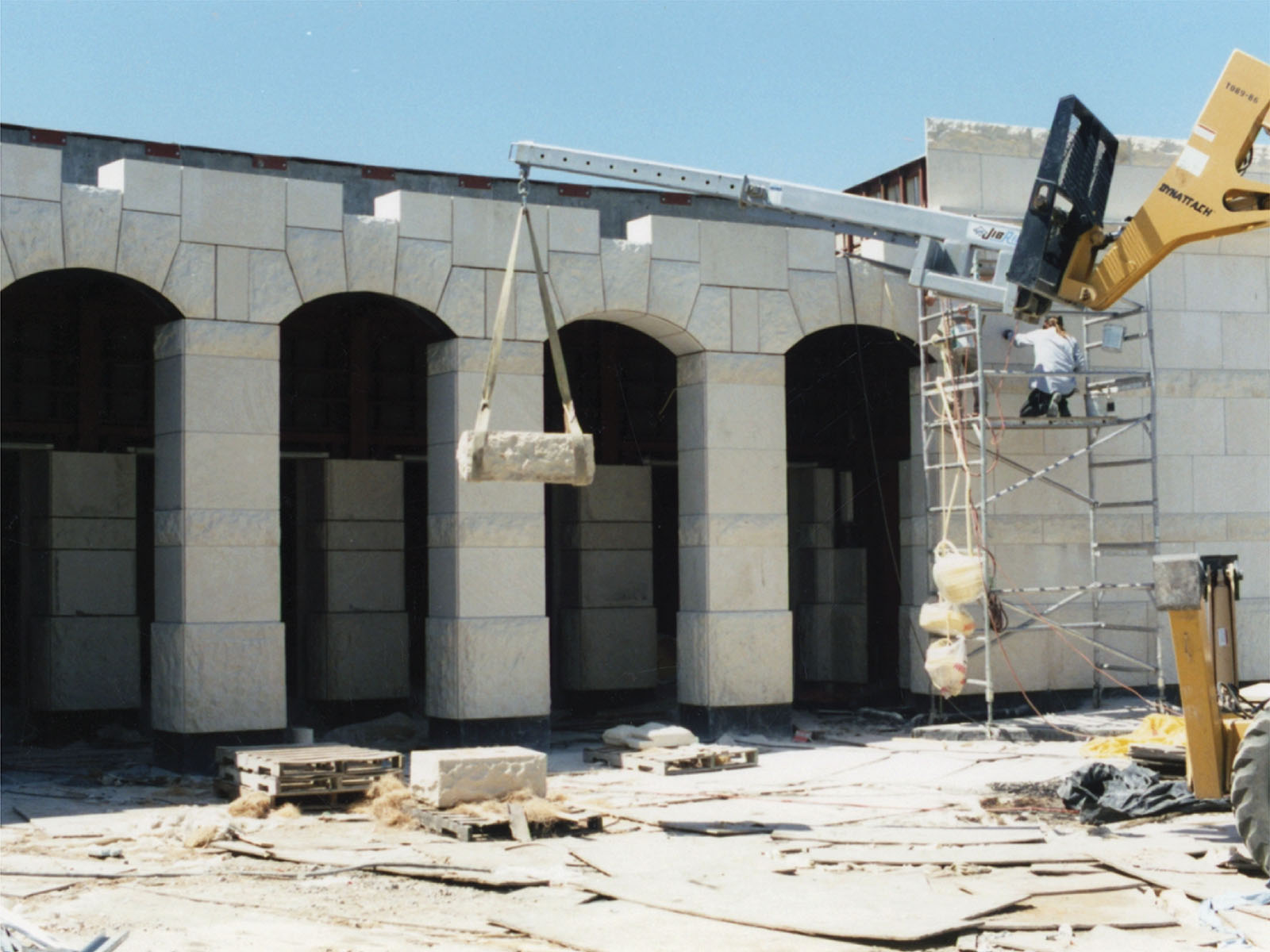
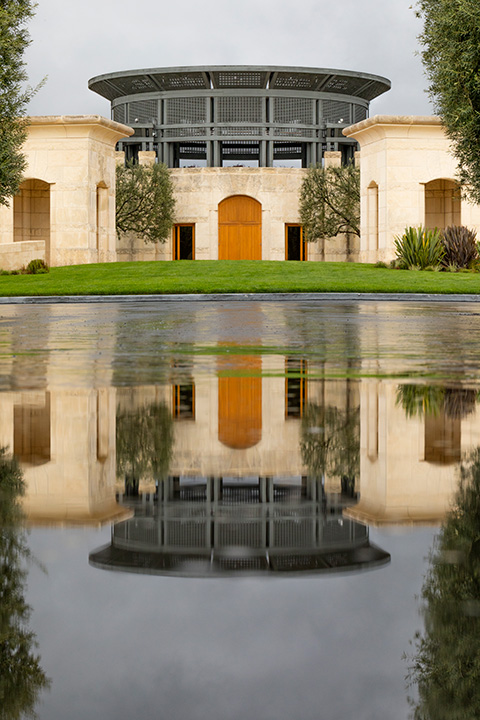
The Baroness Philippine de Rothschild and Robert Mondavi broke ground for their new winery in July of 1989 after several years of planning and design. Construction of the Opus One Winery was completed in October 1991—just in time for harvest. The Napa Valley had never seen anything quite like Opus One Winery when it first opened. For generations, wineries were mostly large wooden barn-like structures, with a few notable exceptions such as Inglenook, Christian Brothers (now CIA-Greystone), and Chateau Montelena. This changed when Robert Mondavi completed his iconic winery in 1966. His new winery was state-of-art, but architecturally, it paid homage to the Franciscan missionaries who brought winemaking to California in the 18th Century. When the decision was made to build Opus One Winery, the partners agreed that it had to be a worthy representation of the wine and their partnership. The Baroness, in an interview in 1995, said, “Either we were going to build a barn, some sort of affair where you put the machines, and have nothing to visit and nothing to see and nothing to show, or we were going to do the best. Well, OK, we did the best.”
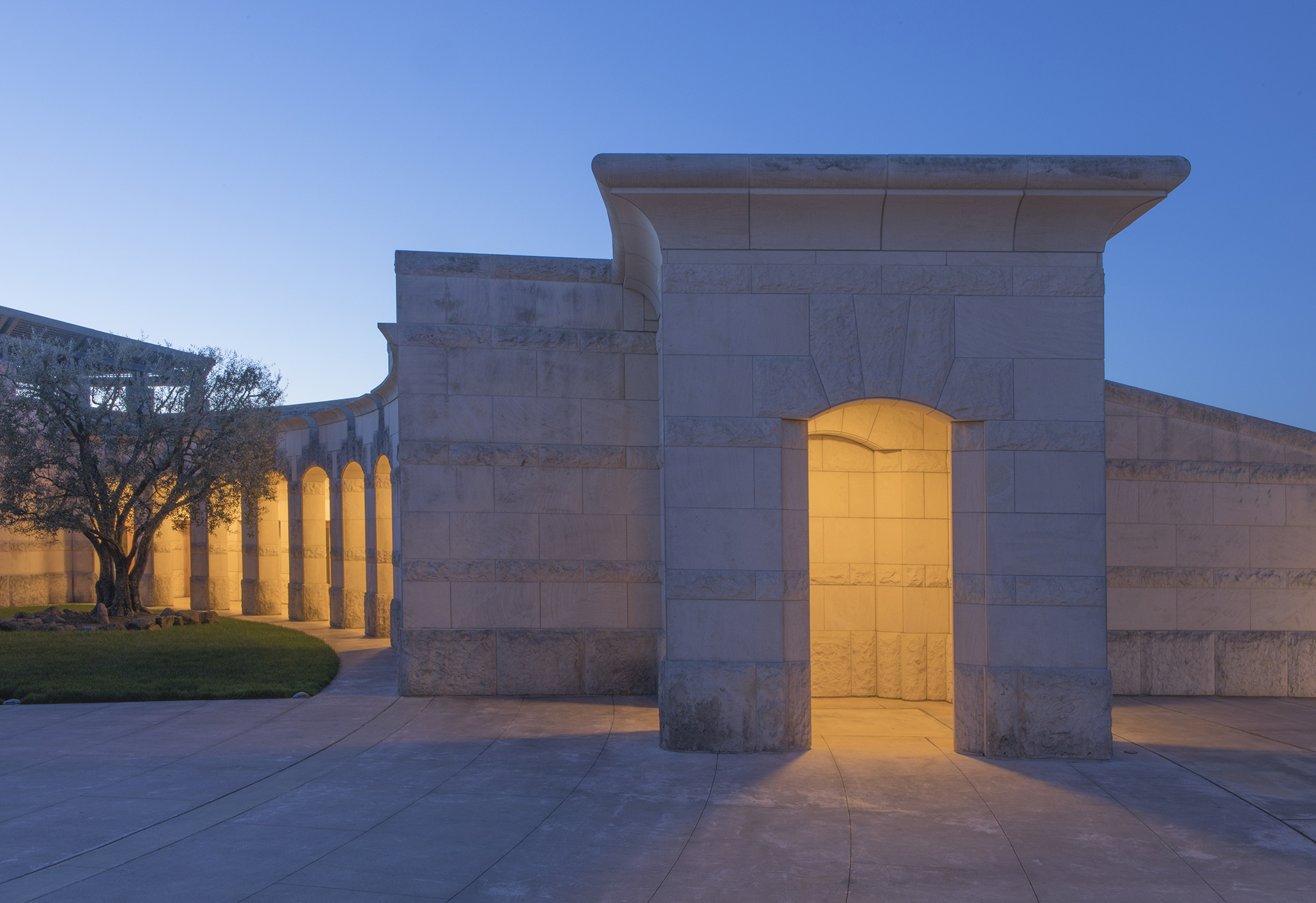
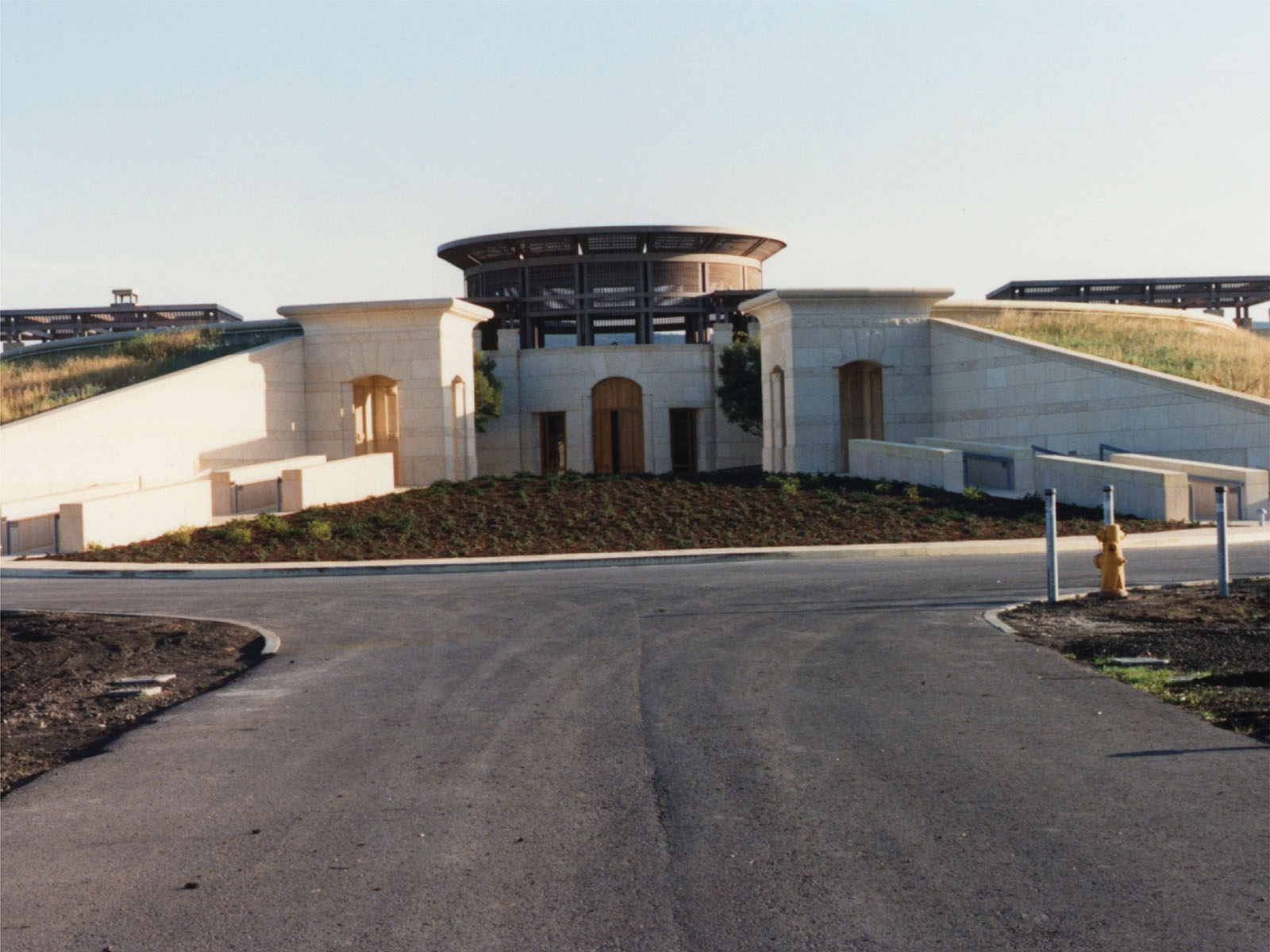
Ultimately, the partners chose the architecture firm Johnson Fain to design the winery. The final design reflects California’s and Napa Valley’s sensitivity to the environment by blending into the landscape from the outside; however, the winery also incorporates distinctive, timeless elements— elegant limestone, arcades, peristyles, and guard towers linked to the classic chateaux in France’s Médoc region, home to most of the region’s 1st growth vineyards north of Bordeaux. Comprising some 80,000 square feet (a reduction from the original plan, which was far larger in scale), the winery blends in so successfully with its landscape that it is difficult to discern from the surrounding vineyard when the vines are active. Composed of “Texas Cream” limestone from Austin and California heart redwood for the arcade ceilings and pergola/belvedere, the building surrounds a calm and welcoming courtyard filled with ancient olive trees. Classical music infuses the space, an homage to the winery’s name: “Opus” is a reference to a “great work” among classical musicians.
Of the building design, Architect Scott Johnson of Johnson Fain says, “It gave us a building that was frankly as much about the landscape or nature as it was artifice or building.” The design is both contemporary and classic, and expresses itself, as Mr. Johnson describes as “‘introvertedly’ a jewel box.”
The design is both contemporary and classic, and expresses itself as “introvertedly” a jewel box.
—Architect Scott Johnson, Johnson Fain
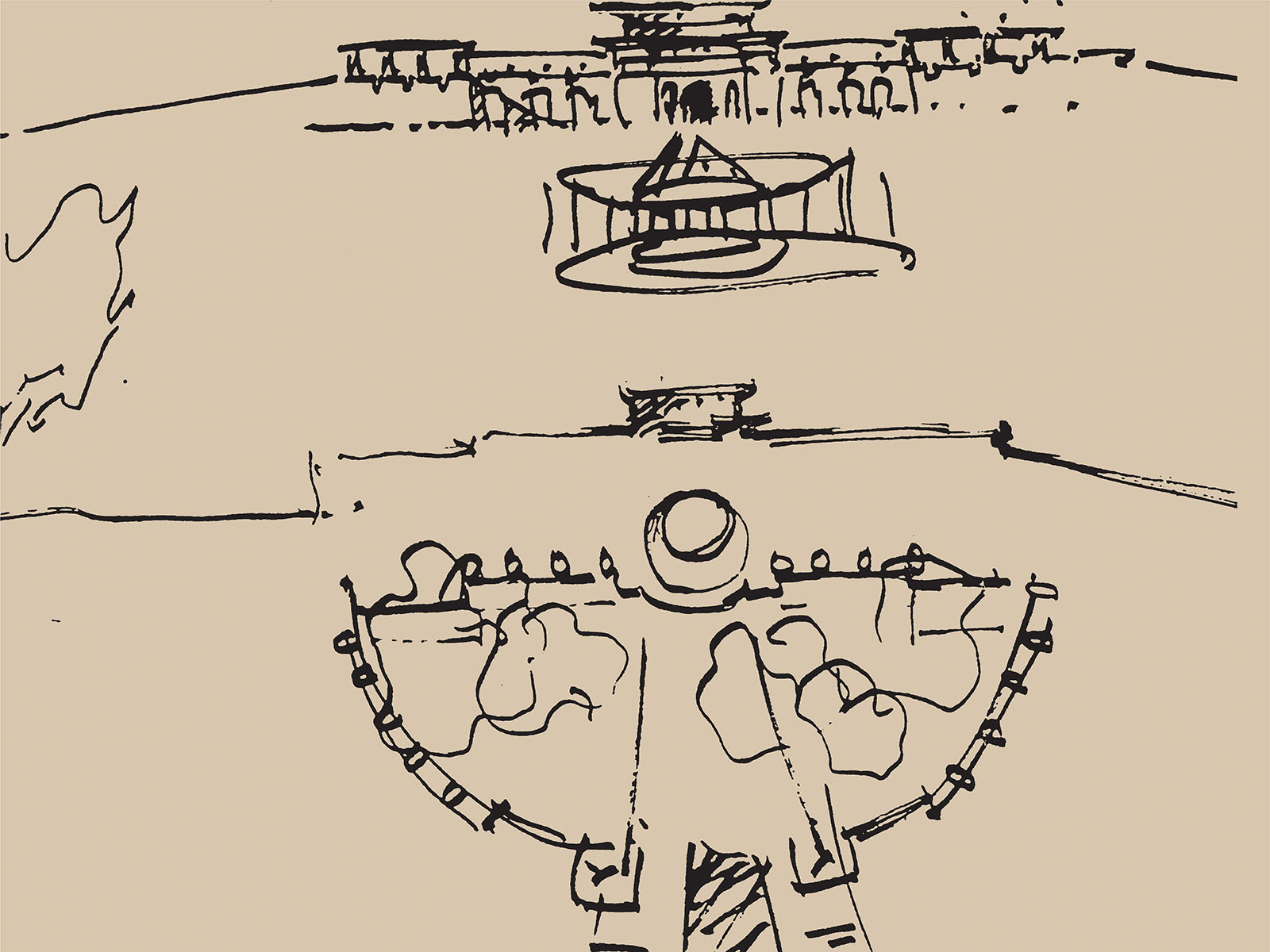
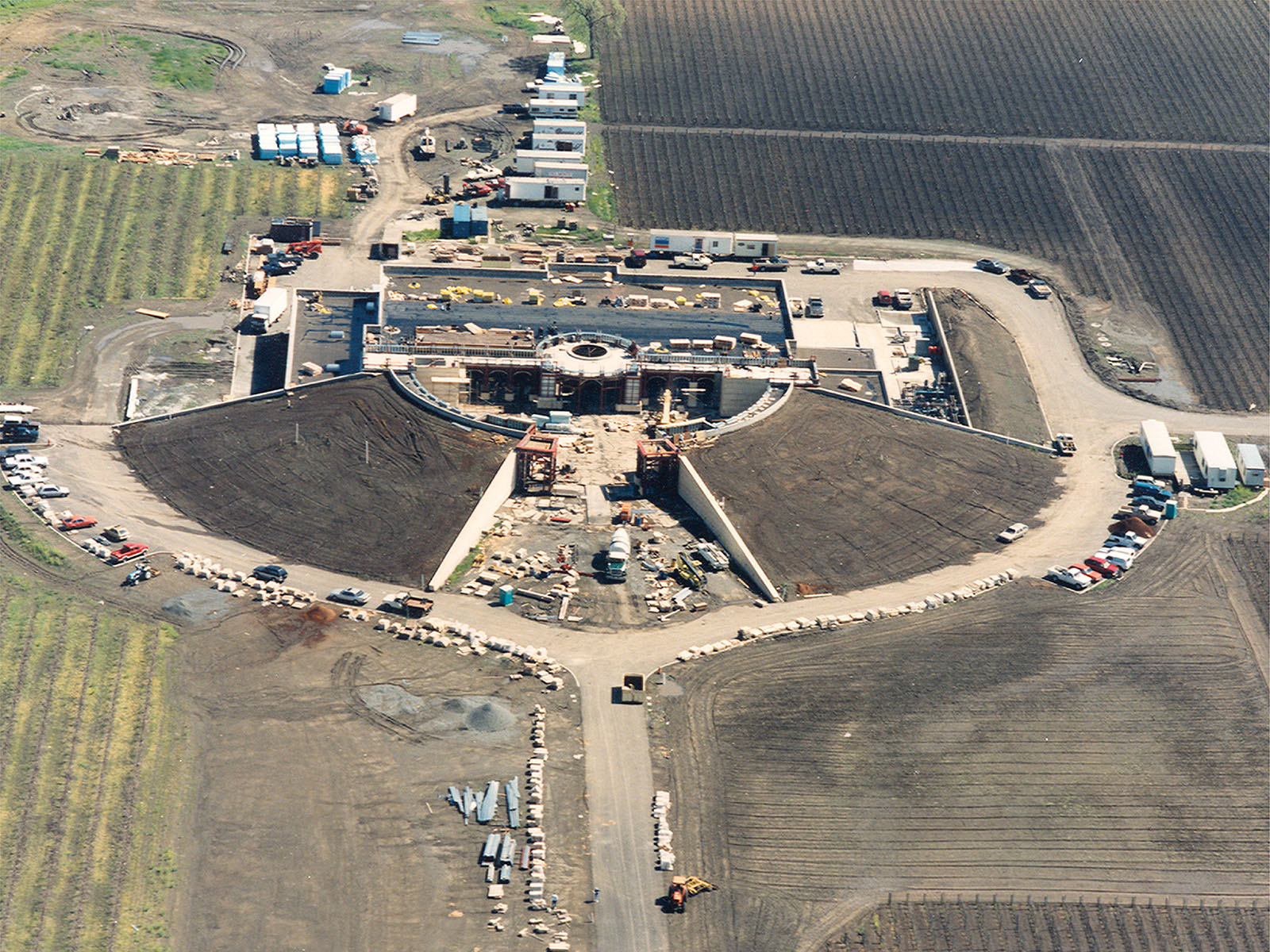
The essence of Mr. Johnson’s introverted design developed from the idea of creating a perfect earth form and virtually “burying” the winery in the center. He enlisted the help of award-winning landscape architects to design the winery grounds. The result is that the hemispheric shape of the winery is surrounded by a berm, or slope of land, which is currently planted to grass. Reed Hilderbrand, of Boston, is currently redesigning these berms so that they may be planted to native Californian plants that require less water, estimated to be completed in 2025.
According to Mr. Johnson, a native San Franciscan, “We have preserved the natural view corridors along the valley floor. What we have created is a very quiet profile. With the berm concept, we were able to build the winery into a crater. The crater’s hollowed-out configuration allows the building to introduce itself only through the narrow gap between the guard towers.
The low profile “berm” design posed many unique technical challenges, not the least of which was achieving the right temperature for cellar conditions and creating an underdrain system to moderate the water table on a site which was disturbed during the relocation of hundreds of tons of dirt. First, the absorptive cooling system in the winery’s Grand Chai was devised by Bentley Engineering Company. Aerocide units were added in 2019 which use UV light to purify the air—the same devices used by NASA on their spacecrafts for air purification. Opus One’s “Grand Chai” is 15,000 square feet. In this configuration, the barrels are placed side by side, not stacked, to afford easy access for the meticulous hand work required for Opus One—the barrels are tasted regularly and topped three to four times weekly during the first few months of aging.
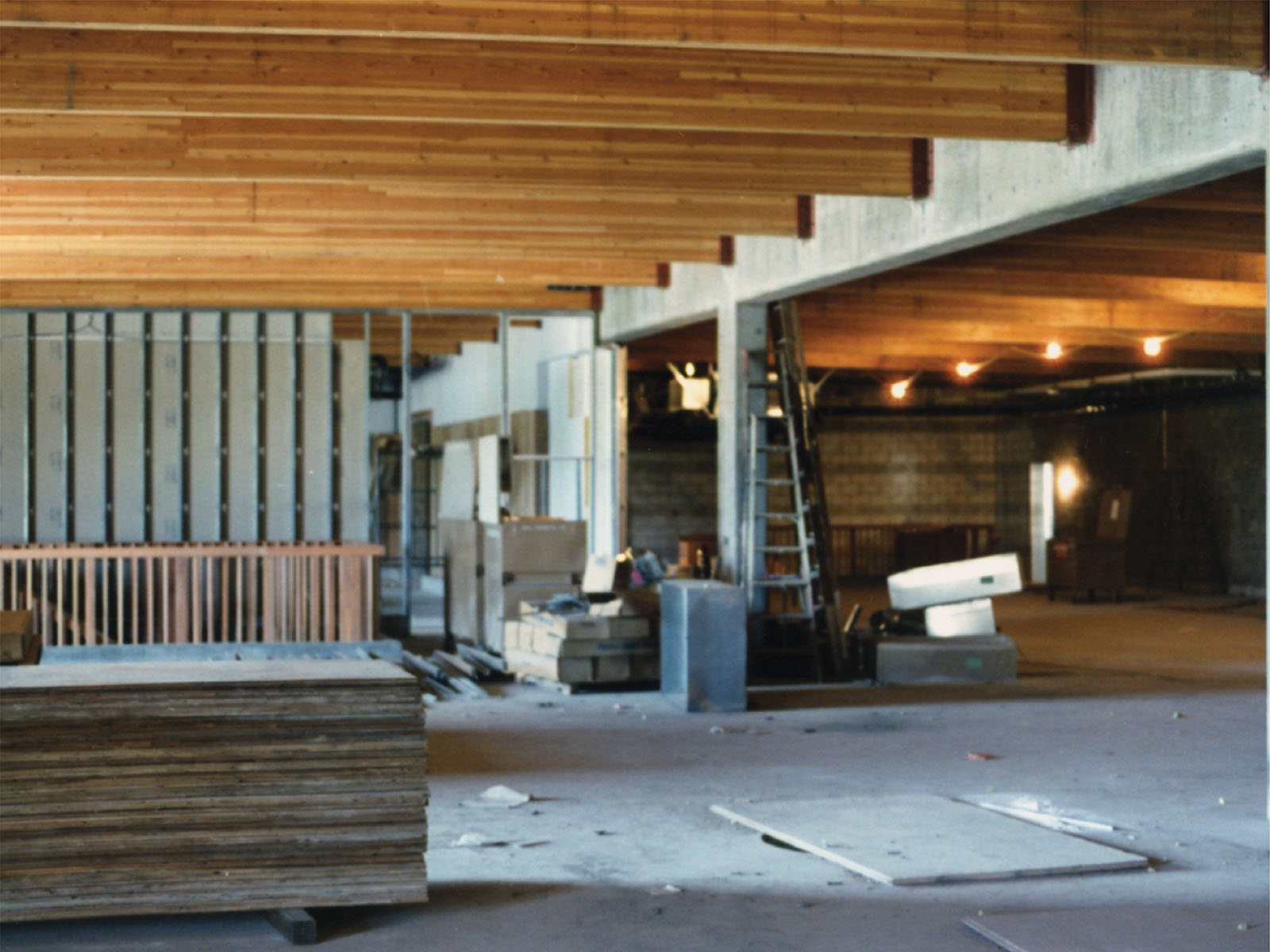
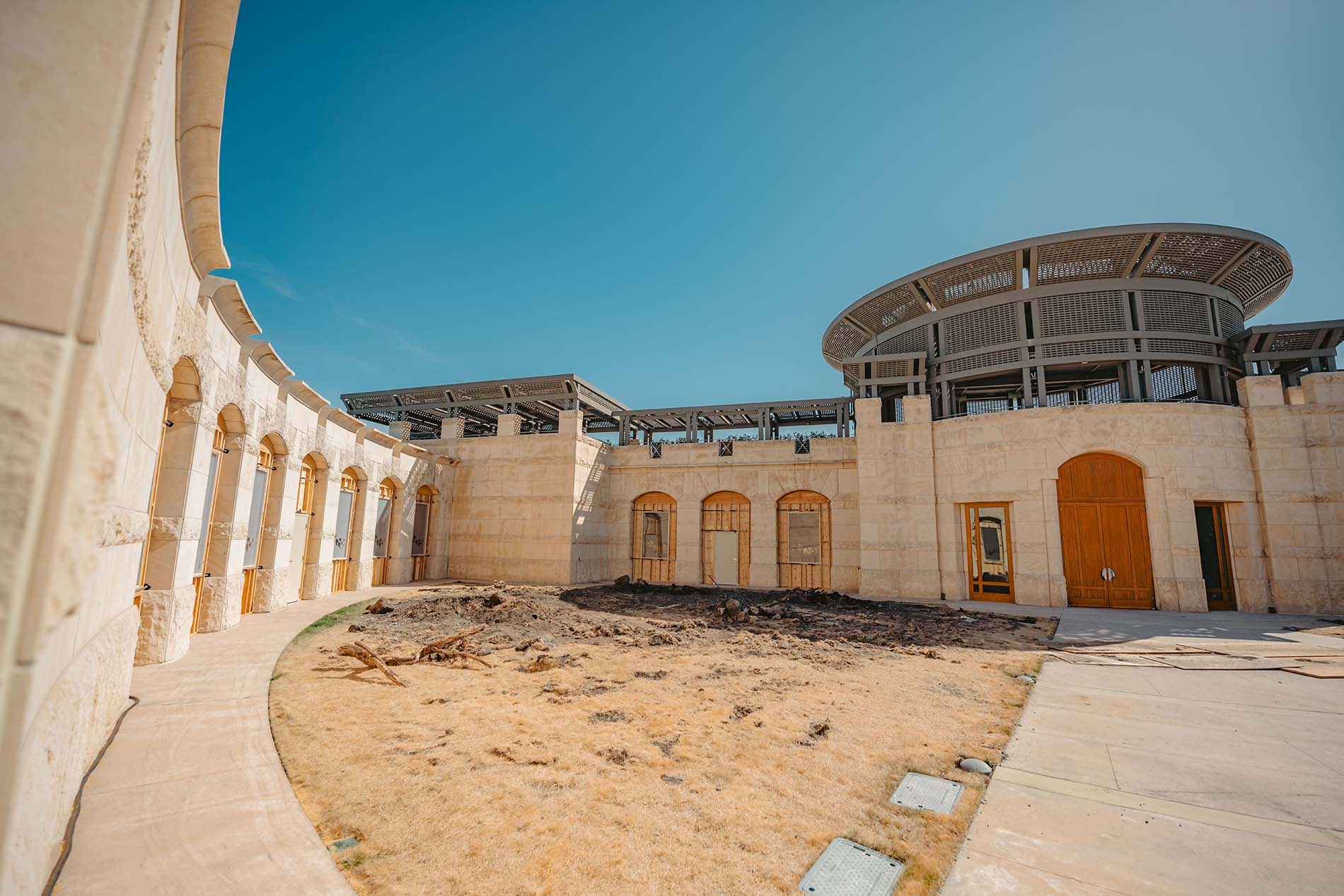
In September 2016, Opus One broke ground for its first winery enhancement. The winery added nearly 55,000 additional square feet of space, including new office space, additional winemaking space, and a new Partners’ Room for guest tastings. Opus One welcomed the first guests in the new Partners’ Room in October 2020.
Either we were going to build a barn...or we were going to do the best. Well, OK, we
—Architect Scott Johnson, Johnson Fain
Evolution of the Estate





Artwork
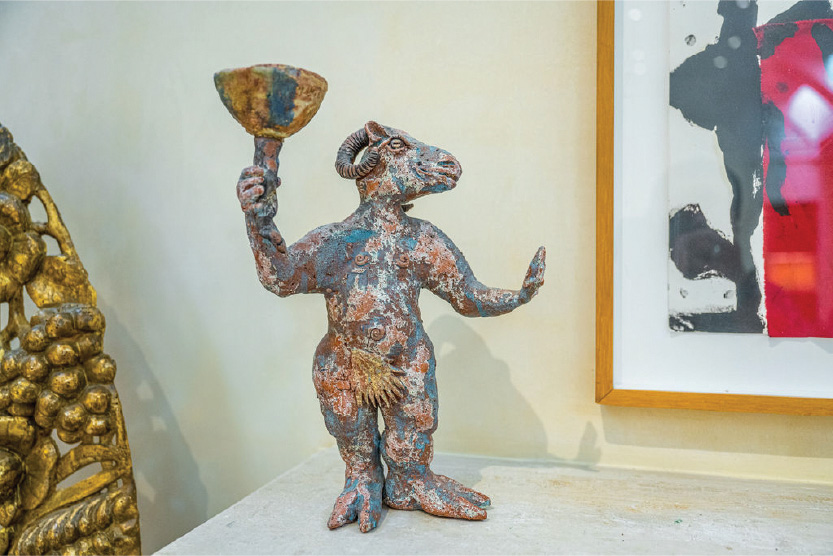
As a unique expression of humanity, art has existed since the Paleolithic era. Mankind’s compulsion to express feelings, record history, tell a story, or simply beautify our world is so universal that there are almost infinite examples of art regardless of definition. From cave drawings to Raphael, from Beethoven to kindergarten cutouts, art can be visual, musical, sculptural, architectural, literary, digital, gustatory, and more. Within each of these categories are even more subsets. The Baron Philippe de Rothschild, his daughter Philippine, and Robert and Margrit Mondavi all believed that art is an essential part of “the good life.” All were collectors or otherwise directly involved with the arts. Sharing this elevated form of gracious living was central to the formation of Opus One, to create something rare and beautiful that could be enjoyed and appreciated by friends and family around the world—its own art form.
Bearing this in mind, it should not be surprising that the winery, both as a structure and with its contents, tells its own powerful story about how art impacts the senses and shapes the ethos of Opus One.
Culinary
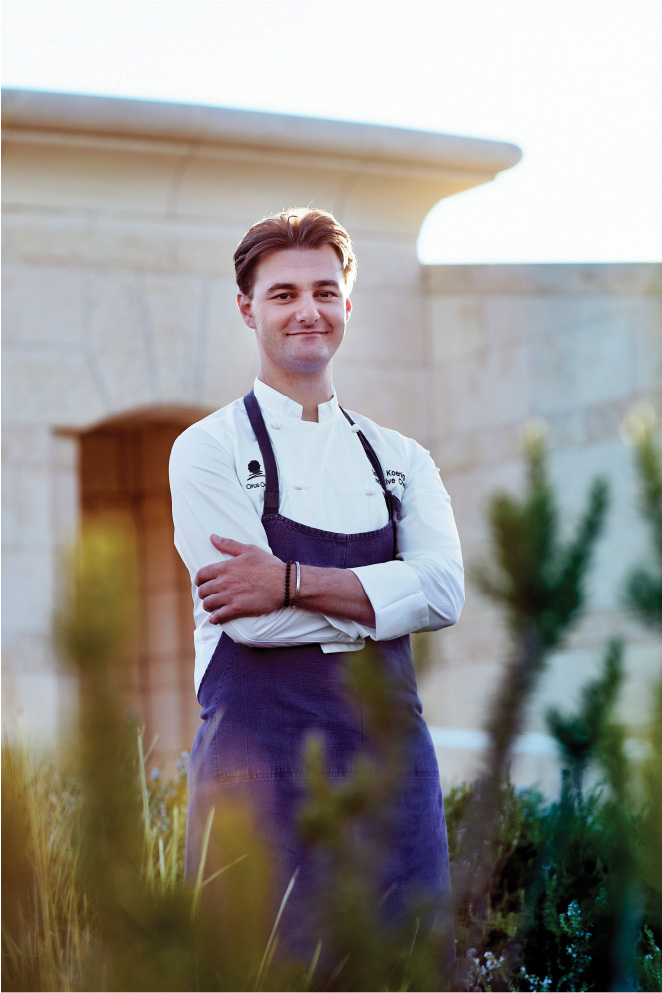
This is an extremely dynamic organization with so much talent, passion, and creativity.
Sean Koenig
Sean Koenig joined Opus One as Executive Chef in July 2024. Chef Sean’s career in fine dining began at fifteen when he stepped into the kitchen at the Ritz Carlton Half Moon Bay. Soon after, he attended Cornell University and had the opportunity to work at The French Laundry. Inspired by his time at TFL, Chef Sean competed in the Ment’or Young Chef competition, where he was mentored by Thomas Keller and Kyle Connaughten from Single Thread. This lead Chef Sean to take on the role of Chef de Partie at Atelier Crenn in San Francisco.
When an exciting opportunity arose to join the opening team at Montage Healdsburg, Chef Sean jumped at the chance. He spent his time as Chef Tournant, and after completing a successful opening, took a position at the Montage in Big Sky Montana as the Research & Development Chef. Eventually, he was able to return to Healdsburg where he held the role of Chef de Cuisine.
Chef Sean lives in Angwin and loves hiking with his Doberman and foraging in the hills of Northern California.
Says Sean Koenig,
“It is an honor to become a part of something so special here at Opus One. This is an extremely dynamic organization with so much talent, passion, and creativity, where every individual is eager to continue pushing forward every day. I could not be more excited to continue growing in my career alongside such an incredible team and organization and cannot wait to see what we will accomplish together.”
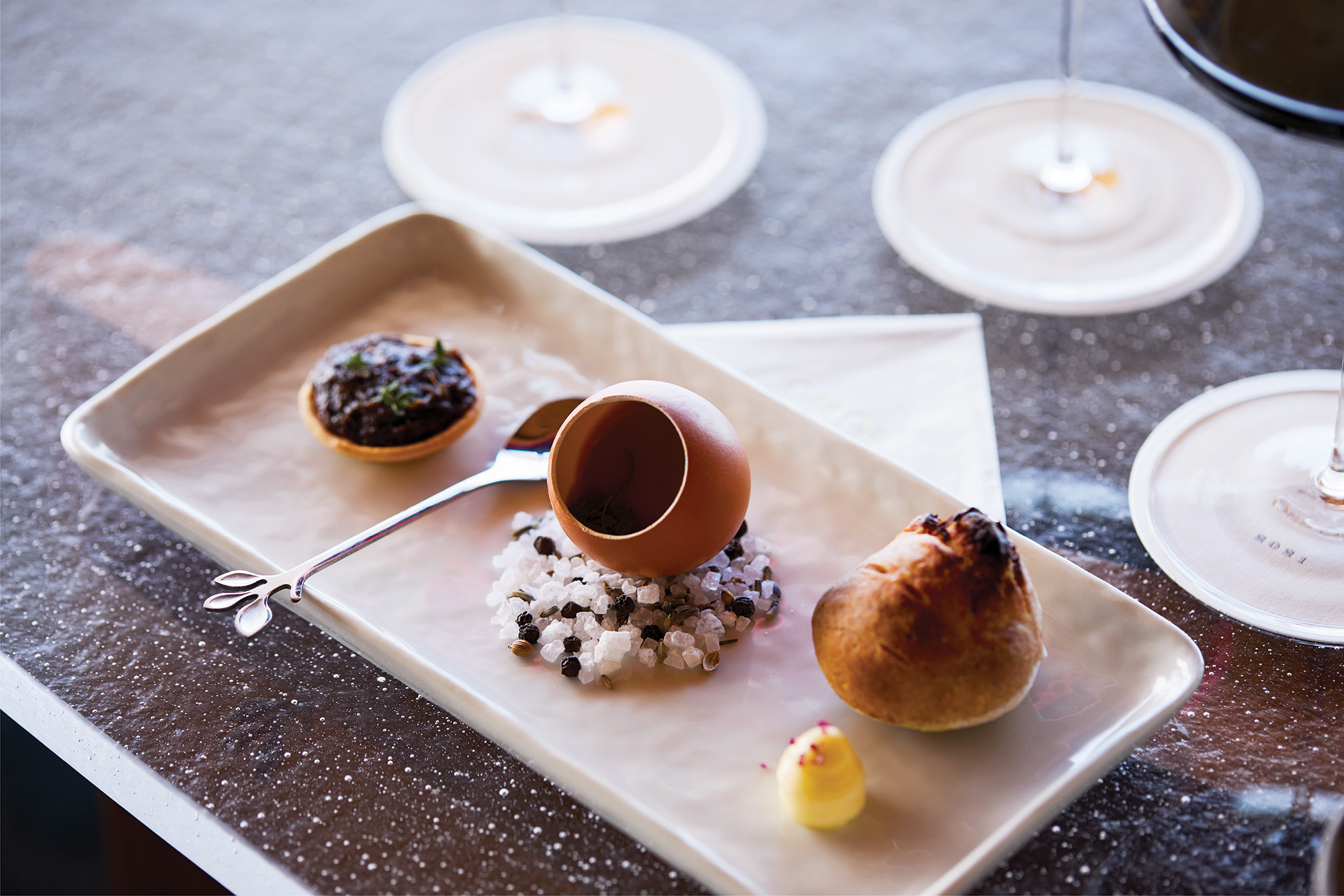
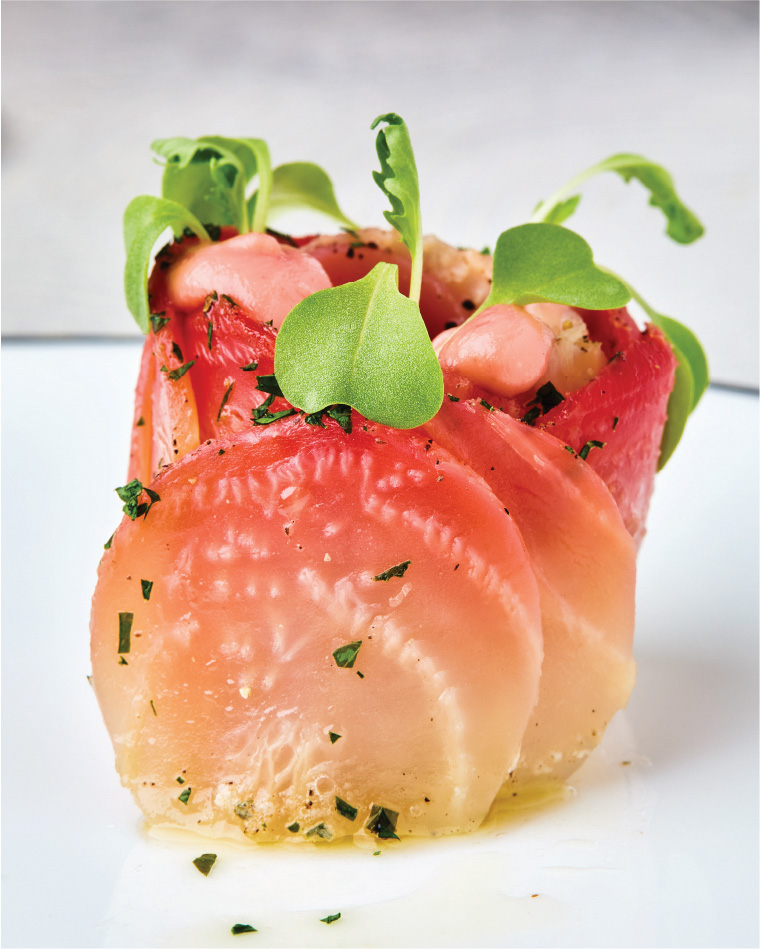
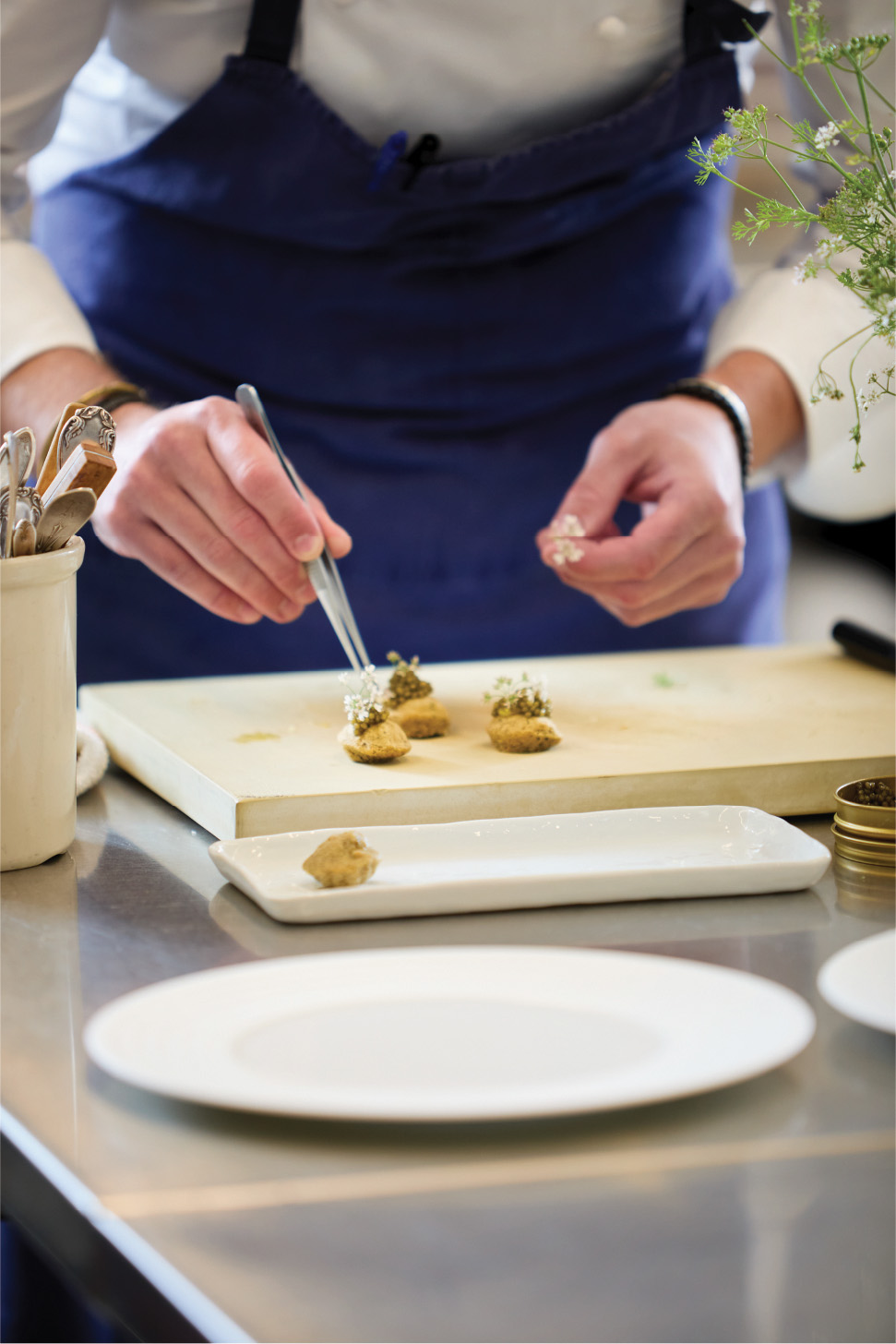

CULINARY AT OPUS ONE
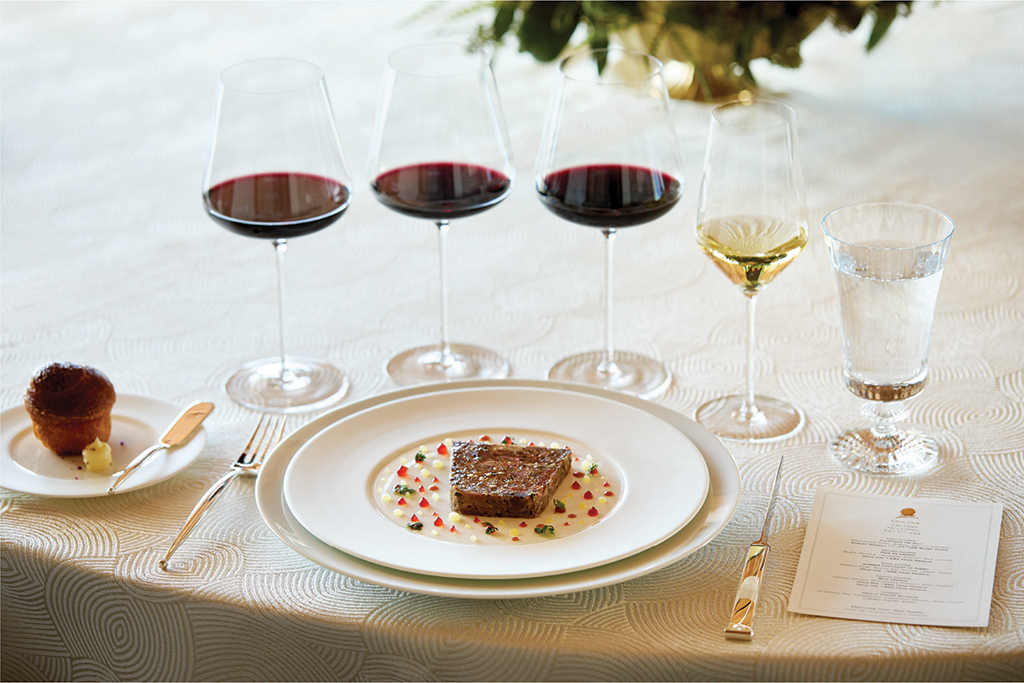
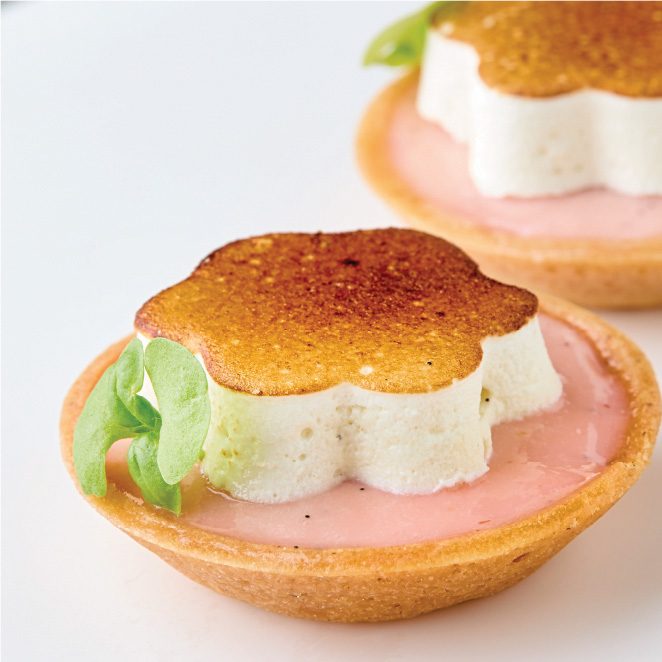
As we move into 2025, Opus One’s vision for the culinary team is to craft unique and unforgettable experiences for our guests. The culinary team is deeply committed to showcasing the estate garden, incorporating its fresh, seasonal ingredients into every dish prepared. By transforming these ingredients into innovative plates, Opus One aims to tell a story with every pairing.
Opus One’s culinary approach is a modern interpretation of classic French cuisine, incorporating the finest produce from Northern California. The winery’s commitment to storytelling through every ingredient, technique, and plate is not just a privilege, but a true joy. This philosophy, paired with attention to detail and dedication to quality, aligns with the founders’ vision for the future of the winery. Each dish served is a celebration of the land, the seasons, and the harmonious marriage of flavors that make each experience at Opus One memorable.
Through this culinary journey, Opus One aims to honor the rich heritage of the winery, while continually innovating and pushing the boundaries of what is possible. Guests can look forward to immersive dining experiences that celebrate the joys of wine, food, and the arts with a generosity of spirit and a shared appreciation of the extraordinary. This is the essence of the 2025 vision and beyond—a commitment to excellence, creativity, and lasting impressions.
Culinary Rock Garden and Opus One Orchard: Before evolving into the orchard it is today, the area was initially planted as an agroecology project aimed at enhancing biodiversity within the Opus One landscape. Its purpose was to attract pollinators and support their populations by providing a year-round food source. The integration of the kitchen and the use of food within the culinary program were part of the vision, with Chef Sean’s involvement serving as a wonderful bonus. Planting decisions are made in close collaboration with Chef Sean, aligning with his culinary goals and flavor profiles, while always incorporating permaculture principles and selecting plants that attract pollinators. This collaboration between the culinary, vineyard, and sustainability teams underscores the collective effort to bring the garden and orchard to life. The growing use of produce from the garden and orchard helps further develop the sense of place that we seek to capture in both our wines and culinary experiences. The garden and orchard are farmed organically and are cared for by the vineyard team, though not CCOF certified.
What’s to Come
- Seasonal rotating canapes pairing with our vintages in the Partners’ Room
- Utilizing our own native yeast strains for baking and pastry purposes
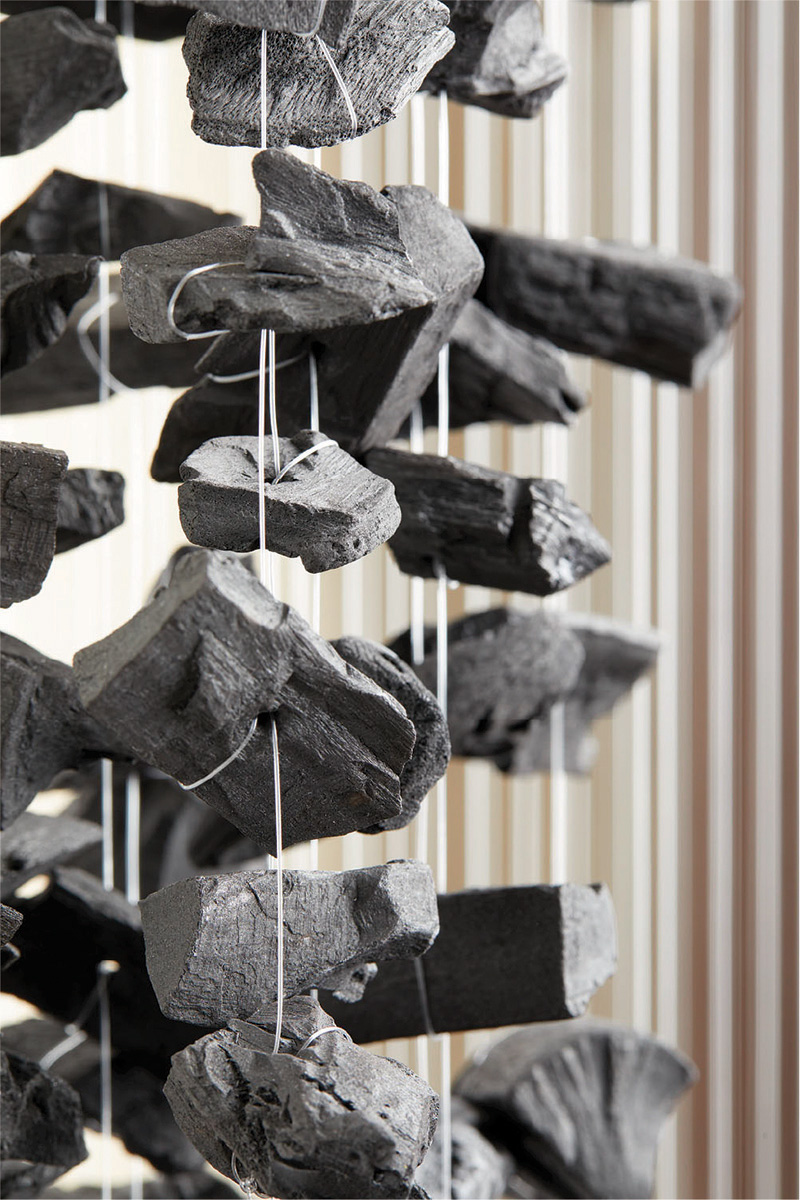
- Utilizing our bio-char as a more sustainable way of cooking over fire as opposed to purchased wood, charcoal, or gas
- Events planned as collaboration dinners between Opus One and various accounts
- Working with each of our vendors to collectively lower our carbon footprint and focus on how we can be more sustainable from potting to plate
Opus One’s culinary approach is a modern interpretation of classic French cuisine
Wine

2022
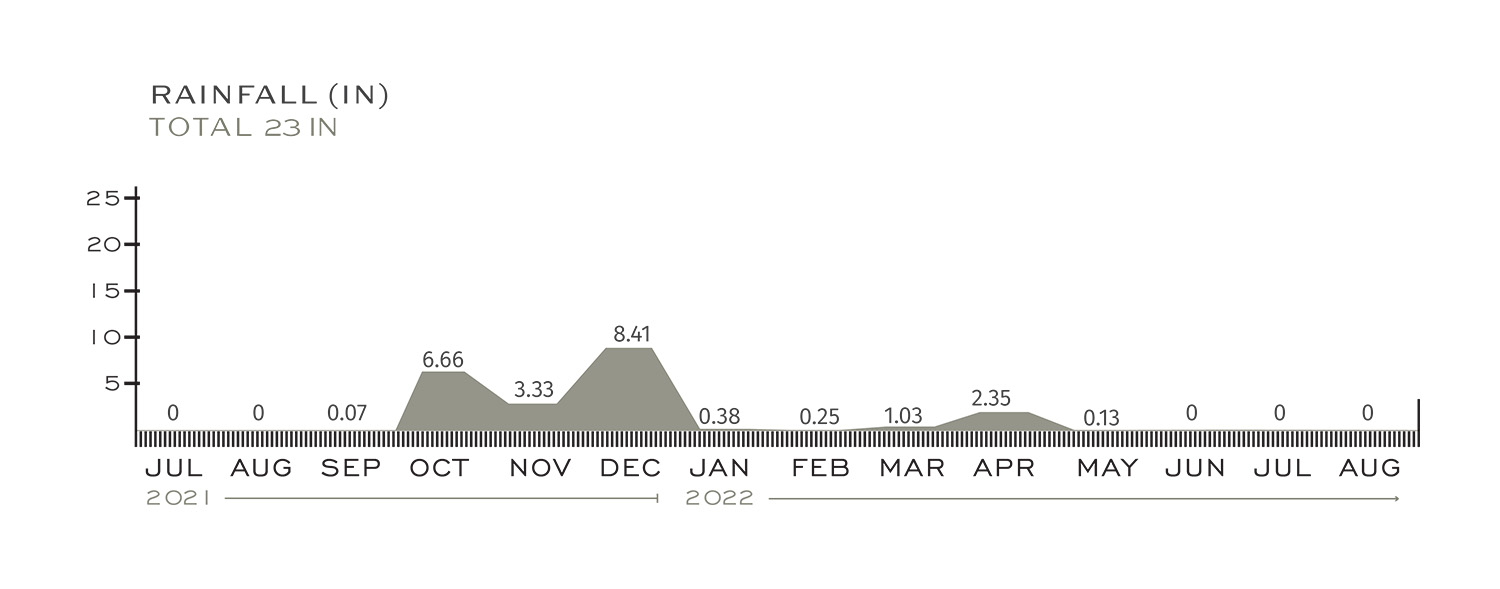
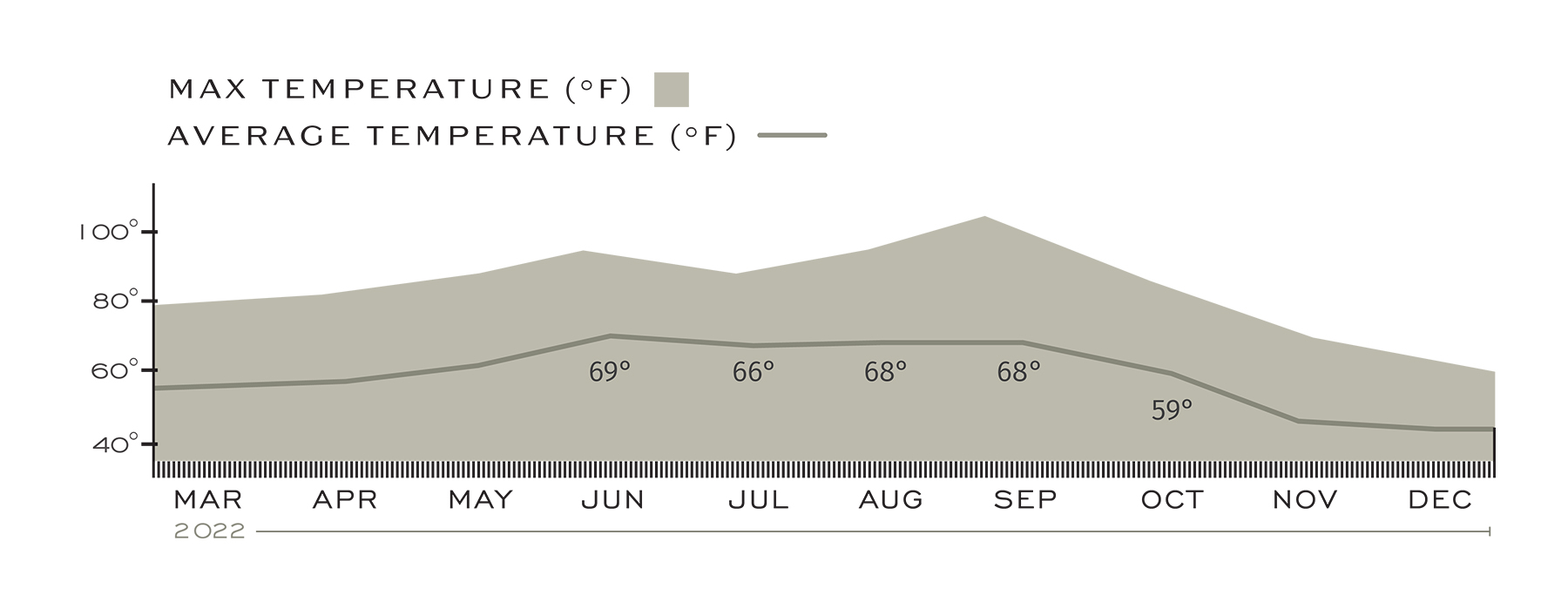
Following early-winter rains, which provided 12 inches more rain than the previous year, the late-winter months were unseasonably dry. Late spring weather was turbulent but did not impact flowering or fruit set. Extreme temperatures during harvest made for a delicate dance by our seasoned vineyard team. Preemptive measures were taken in advance of this heat wave; ripe fruit was harvested, and selective irrigation was used based on the needs of the vines. The results were astonishing, with marvelous flavors and exceptional freshness. Harvest began on August 24th and was completed by September 26th.


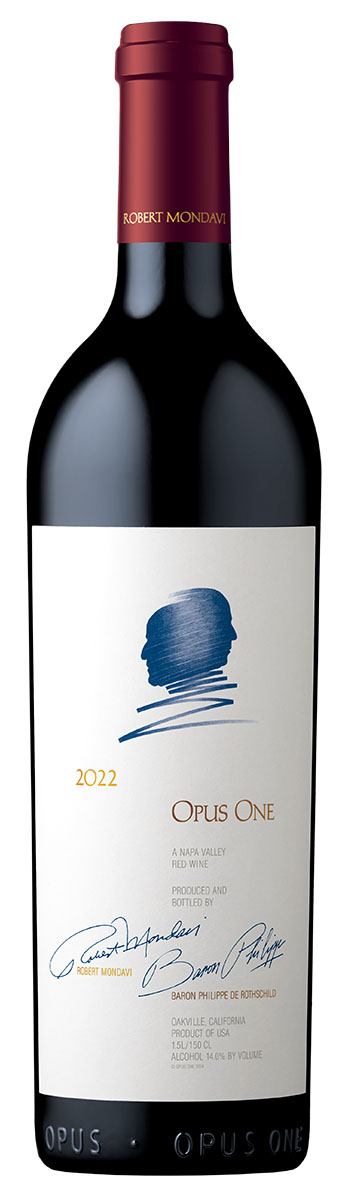
Opus One 2022
Opus One 2022 exudes charm and sophistication from the glass. Primary aromas of blueberry, cassis, and dried rose petals with underlying notes of olive, cigar box, and graphite create a rich and inviting bouquet. On the palate, bright red-fruit flavors, cocoa, and fresh orange peel waltz together into a harmonious and balanced profile. Long and elegant, the finish delivers touches of wet stone, vanilla, and a hint of coffee. Fine-grained tannins and juicy ripeness signal the promise of a long future in the cellar.
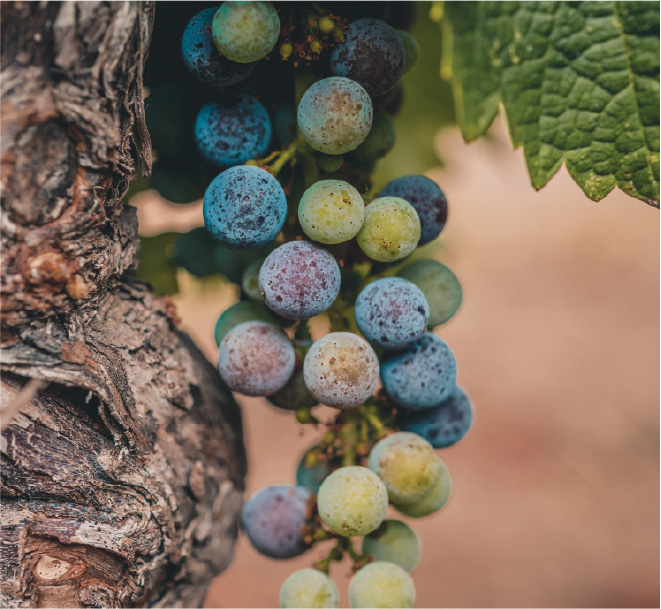
Varietals
Cabernet Sauvignon 80%
Petit Verdot 8%
Cabernet Franc 6.5%
Merlot 5%
Malbec 0.5%
Skin Contact
20 days
Barrel Aging
18 months in new French oak

OVERTURE 2022
Overture 2022 captivates you from the start. Its aromatic profile weaves a complex tapestry of bright cherry, fresh forest berries, and cut rose stems interwoven with delicate scents of violets, toasted almond, and anise. Blackberry, blueberry, and wild cherry take the lead on the palate with a lively acidity that adds a vibrant edge. The finish is long and rounded, with a touch of mocha and black tea that showcase the wine's depth. This expression of selected parcels from our estate vineyards will age gracefully for years to come.
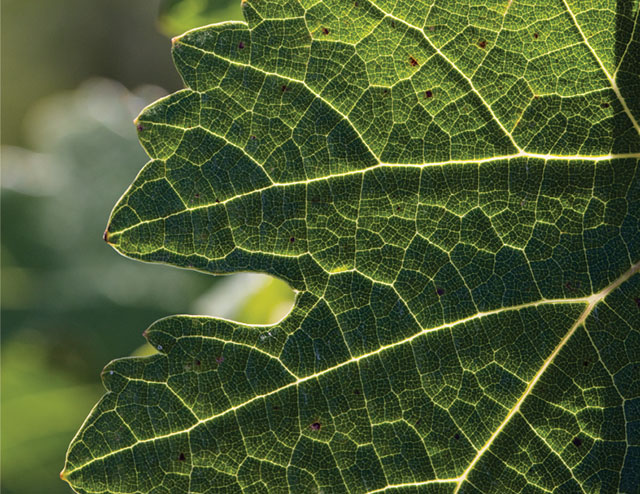
Varietals
Cabernet Sauvignon 94%
Cabernet Franc 3%
Merlot 1.5%
Malbec 1%
Petit Verdot 0.5%
Skin Contact
20 days
Barrel Aging
18 months in new French oak
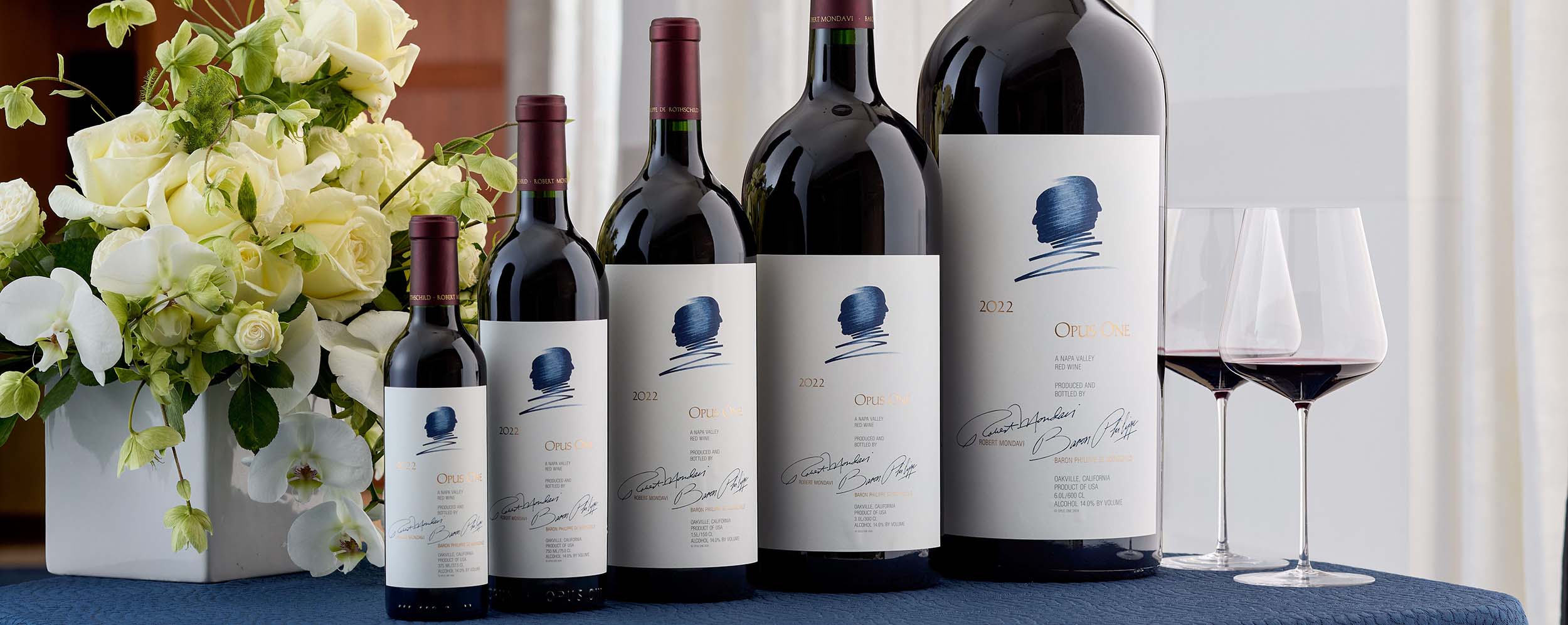
Starting in Fall 2025, Opus One will release all bottle formats of a given vintage at the same time.