

Collecting Wine
by Peter Marks, Master of Wine
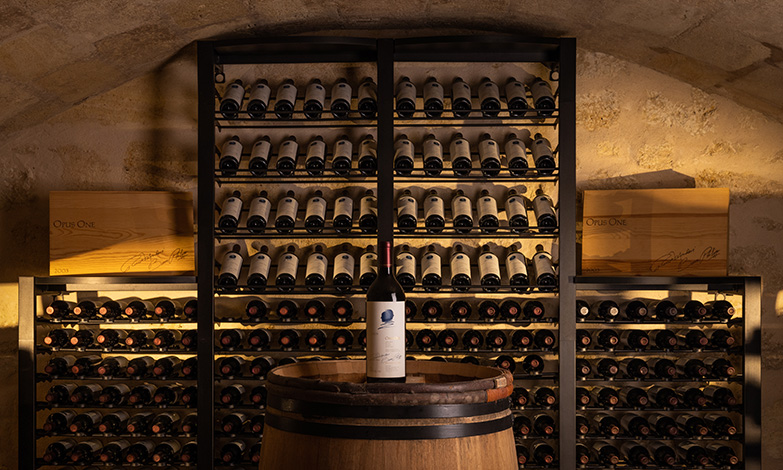
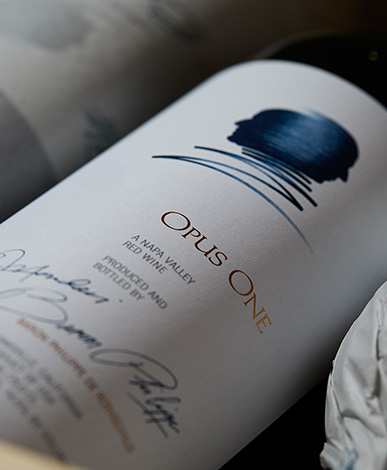
While many of us enjoy buying and cellaring wine for future enjoyment, it may come as a surprise that studies have shown around 90% of all wine is consumed within 48 hours of purchase, and only 6% of wine is purchased specifically for aging. This 6% of wine can be considered a collectible wine if it meets certain criteria, such as it is made in limited quantities, is high in quality, comes from a producer or region with a great reputation, and has the capacity to age well and improve in taste as well as in value.
If you are fortunate enough to be part of this 6% of wine consumers, or aspire to be, there are several factors to consider when choosing wines to collect. Before embarking on your wine-collecting journey, it’s essential to clarify your objectives. Are you collecting for personal enjoyment, investment purposes, or a combination of both? Since collectible wines are a valuable investment, it is important to consider a budget for purchasing and storing the wines, to know what to buy and from whom, and to develop a strategy for what to drink and when. Before you start buying wines and popping corks, let’s look at these important factors.
Setting a Budget
As you start collecting wine, create a budget and stick with it. Make sure you consider your disposable income, the cost of the wines you’re interested in, and any partners who may invest with you, such as a spouse or friends, which could allow for discount pricing on larger purchases and better access to rare, allocated wines. Include a “rainy day fund” for unexpected offers that are simply too good to pass up.
You should also consider the expense of storing your wines. Proper wine storage is crucial to maintaining its quality – temperature, humidity, and light all play a role. Many collectors have a wine storage unit at home for easy access to their collection. Be sure to consider the size, type, and ongoing costs of establishing or maintaining a home wine storage unit. New collectors often underestimate the space they need, so plan accordingly. Off-site wine storage facilities are a great option, and it’s worth researching local providers and costs to prepare for future needs.
Insurance for Your Collection
Another crucial cost to consider is insurance for your wine collection. Check to see if your homeowner’s or renter’s insurance will cover wine, but most likely it will not. Even if it did, most policies only cover up to $1,000, and if your deductible is $1,000, then it’s a wash. In regions prone to natural disasters, theft, or power loss, a separate insurance policy may be necessary.
First, decide how much of your collection you’re willing to risk. Then, decide what type of insurance to purchase. Blanket insurance, which covers everything (up to a limit) in a particular location (such as your home), is ideal for wines you plan to drink soon. For long-term cellaring or high-value wines, a scheduled policy, based on professional appraisals or receipts, is a better option. Your existing insurance company may not offer a scheduled policy, in which case a standalone or separate policy may be in order. Standalone policies can be obtained from companies like American Collectors Insurance, Chubb, Distinguished, Horton, and InsureMyWine.
What to Buy and From Whom
If you’re collecting for personal enjoyment, remember that tastes can evolve over time, so it’s wise to avoid leaning too heavily on one type of wine or region. Stay informed by researching market trends, following reputable wine reviewers (especially those whose tastes align with yours), and keeping up with vintage reports. A diverse collection from different regions, producers, and vintages will not only provide a broader range of wine styles to explore but also help minimize risks. Wine doesn’t always have to be expensive, and many affordable, emerging wines and regions are ideal for enjoying throughout the week while you save your exclusive bottles for weekends and special occasions.
If you are buying wine for investment, it makes sense to focus on the classics such as Bordeaux, Burgundy, and Napa Valley, but also keep an eye on trends and immerging regions such as vintage Champagne, white Rioja, Uco Valley (Argentina), Douro Valley, Southern England, and Stellenbosch (South Africa). While it’s tempting to chase trends, be cautious of passing fads – natural wines, Jura wines, 200% new oaked wines – because being an early adopter doesn’t always pay when it comes to collecting wine. However, pay attention in traditional regions to vineyard owners incorporating innovative vineyard practices, or producers who have introduced new winemaking techniques, or wineries that have brought new life through a generational change.
Buying in Quantity
When building your wine cellars, avoid buying one or two bottles of a given wine. Buy a half or full case or more so you can savor your wine over its lifespan. In addition, you’ll typically earn a discounted price on larger purchases. This strategy is particularly important if your goal is investment, as collectors or auction houses typically aren’t interested in purchasing small quantities of wine.
Building Relationships
Establish a strong relationship with fine wine retailers, traders, auction house or wineries. These connections are invaluable as they will go the extra mile, keep you abreast of new arrivals and trends, offer wine futures, ensure fair allocations of rare wines, and help you learn about wine over time.
Ensuring Provenance
Always validate the provenance of the wine you purchase. Know the history of the wine’s ownership and how it has been stored. Request documentation and proof of ownership and inspect the wine’s condition – pay attention to the fill level, label, cork, capsule. There is no exact figure on how much counterfeit wine is in circulation today, but it’s a real issue. Thus, buying from reputable sellers is crucial. If you’re ever in doubt, there are experts who can authenticate your wine for a fee. Depending on the value of your collection, this could be a worthwhile investment.
Organizing and Enjoying Your Collection
Once your wine cellar is set up, you’ll need to decide when and what to drink. It’s important to maintain an organized collection to ensure easy access and track the aging progress of each wine. There are many apps and programs designed to help you manage your collection, allowing you to log details like the wine’s location, price, drinking window, and tasting notes. Some of the most popular apps include CellarTracker, InVintory and Oeni. It’s useful to arrange your wines so early-drinking wines, or wines to have with Tuesday’s tacos, are located in an accessible location.
If you entertain often, consider having a variety of wines on hand to pair with different courses, such as sparkling wines, light whites, oaked whites, reds, and dessert wines. Comparing wines from different regions—like Cabernet Sauvignon from Napa Valley and Bordeaux, or Chardonnay from Santa Maria Valley and Burgundy—can make for an engaging experience for your guests.
Collecting for Milestones
Wine can also serve as a way to commemorate important milestones. Consider collecting wines from the birth year, wedding, or graduation year of friends and family. Pulling wine from your cellar from the year you first met your spouse or when your company went public can be a heartwarming surprise. Wines kept for future generations or charitable donations can hold sentimental and financial value, allowing you to leave a legacy.
Conclusion
Collecting wine is a rewarding journey that combines passion, knowledge and strategy. Whether you’re a novice or an experienced collector, understanding how to select, store, and manage your collection is necessary for ensuring that your wines mature gracefully, bringing great pleasure and potential financial rewards for years to come.