What is the Opus One Estate Tasting Experience?
Read More

In reimagining the plantings for the Opus One berms, we partnered with renowned, Cambridge-based landscape architecture firm, Reed Hilderbrand. Their process began with observing the land – understanding Opus One’s landscape, character, and history. At Opus One, that meant celebrating a rich horticultural legacy that blends French garden abstraction with the loose, expressive qualities of the California landscape.
Guided by the agroecological principles of biodiversity, resilience, and efficiency, the goal was clear: to reduce water use while enhancing the beauty and biodiverse, ecological integrity of the site. The plant palette was designed to meet key criteria: provide a habitat for local pollinators and beneficial insects, require minimal inputs, conserve water, and reflect our cultural and social values. The textures of the selected species – low-growing and shrubby – were chosen to echo the rugged beauty of the Vaca Mountains, visually drawing the surrounding landscape into the experience of the winery. This approach reflects the original architectural vision, reinforcing Opus One’s profound connection to its natural surroundings.
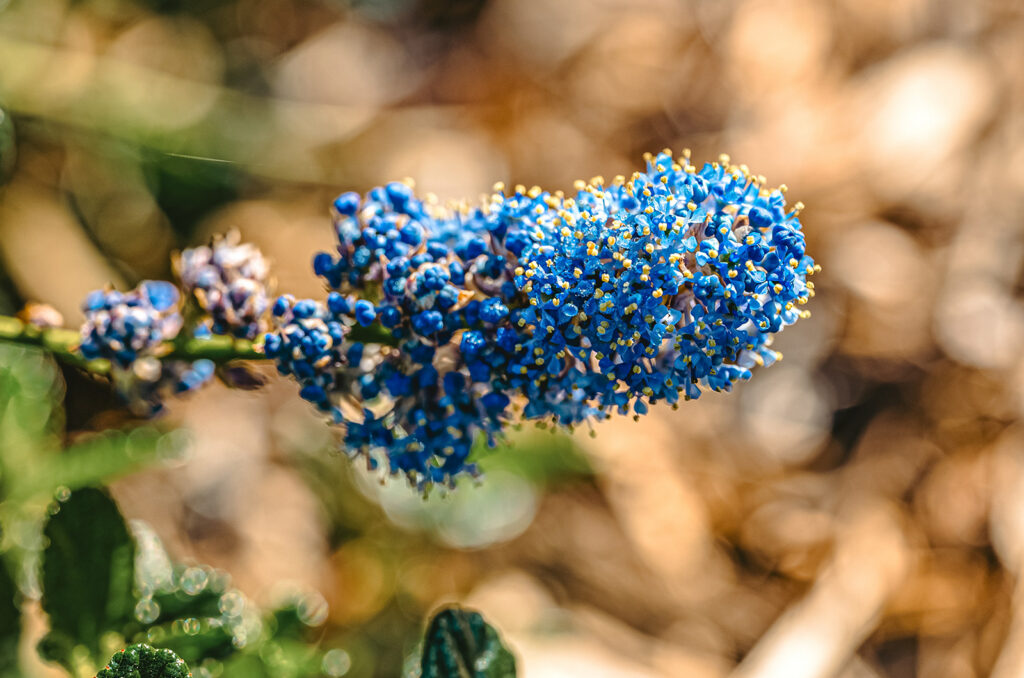
With stewardship at the forefront, we conducted a trial on the south berm using a custom soil blend and six candidate species. We evaluated their performance, visual harmony, and appeal to pollinators. The final selection – Ceanothus thyrsiflorus var. griseus ‘Yankee Point’ and Westringia fruticosa ‘Mundi’ – proved to be the most resilient, attractive, and ecologically beneficial.
These new plantings will transform the land into a thriving pollinator habitat and reduce Opus One’s irrigation needs significantly. This marks a meaningful step forward in advancing our 2030 Vision – embedding stewardship into every aspect of our work and deepening our commitment to protecting the land.
Shared July 2025